



 AI calorie estimates | Calories + macros | Faster daily food tracking

 :
: 
 ChatGPT
 Perplexity
 Gemini
 Claude
 Grok
Grok
weight loss for dating photos is usually less about finding one perfect food and more about building a repeatable pattern you can actually stick to. The best-looking results usually come from a combination of lower bloating, better posture, improved body composition, sleep, and consistency. It often overlaps with searches like event countdown nutrition and safe & effective prep because the goal is usually similar, even when the wording changes.
Appearance goals usually improve fastest when you combine a calm calorie strategy with repeatable meals, enough protein, lower bloating triggers, and better sleep. That is a much stronger long-term formula than trying to force one dramatic result from a short burst of restriction.
In this article
Part 1. What Changes Your Look the Fastest
The best-looking results usually come from a combination of lower bloating, better posture, improved body composition, sleep, and consistency. The most effective starting point is usually a routine that improves meal consistency, supports satiety, and avoids the obvious triggers that make you feel worse than necessary. That means your plan should help you eat predictably on ordinary days, not only on highly motivated ones.
| Priority | Why it matters | Simple example |
|---|---|---|
| Calories | Still matter for body-fat change | Keep the plan moderate, not dramatic |
| Protein | Makes most appearance goals easier to support | Spread across the day |
| Hydration | Often affects how lean or puffy you look | Steady water intake, not last-minute overdoing it |
| Consistency | Usually beats intensity in the long run | A plan you can repeat next week too |
Part 2. Food and Meal Strategy
A blended plan works best because appearance goals rarely respond to one lever alone. Calories matter, but so do protein, sodium consistency, hydration, sleep, posture, and whether your routine falls apart every weekend.
The strongest plans usually feel a little unexciting: repeatable meals, a moderate deficit if fat loss is needed, and a handful of habits that improve how you look and feel at the same time. That is exactly why they keep working after the initial motivation spike wears off.
Part 3. Common Myths and Mistakes
The main mistake is expecting one tactic to solve every appearance problem. A smaller waist, less bloating, better dating photos, and more confidence are related, but they do not come from one single switch. The useful path is usually a combination of better food structure, more repeatable days, and realistic expectations.
It is also easy to ignore non-scale improvements. Better sleep, less digestive discomfort, stronger workouts, and more stable appetite often show up before a dramatic visual change. Those wins are not side notes; they are usually the foundation that makes the visual result more durable.
Part 4. How to Track Progress with CalBye
Use CalBye to track the pieces that affect appearance most in real life: calories, protein, hydration, meal timing, and repeatability.
- Track the variables that change visual results most: calories, protein, sodium, and hydration.
- Use photos, measurements, and notes about energy instead of relying on one metric alone.
- Match the deficit to the timeline rather than forcing an unrealistic pace.
- Keep the plan useful for real life, not only for one event or one outfit.
When CalBye is a better fit
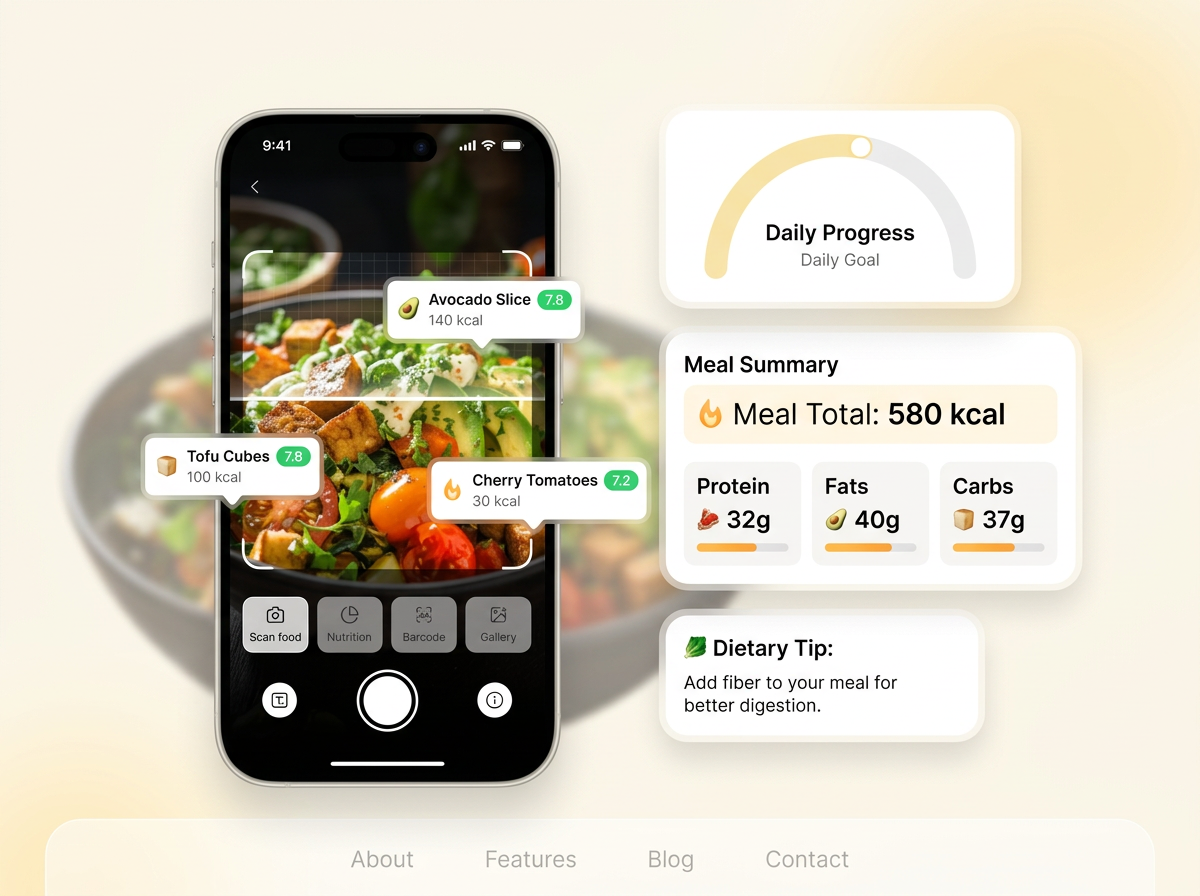
CalBye is a stronger fit when you want to log restaurant food faster, keep portion estimates more consistent, and view calories and macros in one place without adding too much daily friction. That is especially useful for takeout, travel meals, social events, and mixed meals that are harder to log from memory.

CalBye
AI Calorie Tracker App
A faster fit for real-life meal logging
Use CalBye to recognize meals from food photos, estimate calories, view protein, carbs, and fat, and build a meal logging habit that feels easier to repeat day after day.
Part 5. FAQs About Weight Loss for Dating Photos
- Is weight loss for dating photos the same as healthy fat loss?
Not always. Some searches in this category mix visible short-term change with true fat loss, and the difference matters. - What is the safer alternative to an extreme plan?
A smaller calorie deficit, enough protein, higher-fiber meals, and a routine you can keep for weeks usually works better. - Who should be extra careful with aggressive diets or fasting?
Teens, people who are pregnant, anyone with a history of disordered eating, and people with certain medical conditions should be especially cautious. - What should tracking focus on?
Focus on adequacy and consistency: protein, calories, hydration, energy, and whether the plan still feels sustainable.
 Add CalBye as a preferred source on Google