



 AI calorie estimates | Calories + macros | Faster daily food tracking

 :
: 
 ChatGPT
 Perplexity
 Gemini
 Claude
 Grok
Grok
fish and chips calories Fish and chips calories can look moderate on paper if you only think about the fish, but the batter, frying oil, and chips push the full plate much higher. A smaller takeaway portion may land near 650 calories, while a pub-style order often moves closer to 900 or more. Tartar sauce, mushy peas, and extra chips can change the number again, so accurate logging depends on the whole plate.
In this article
Part 1. Fish and Chips Calories by Plate Size
The batter and oil make a major difference. White fish itself can be relatively lean, but once it is coated and fried alongside chips, the final meal becomes much denser. Thick chips, steak fries, and extra oil left from the fryer can all nudge the total up.
A practical range is more useful than a single perfect number because restaurant, homemade, and packaged versions often differ in size and preparation. For batch content planning, the goal is not to pretend every portion is identical, but to give users a realistic starting point that matches what people commonly eat.
| Serving | Calories | Notes |
|---|---|---|
| Smaller takeaway portion | About 650 kcal | Lighter but still substantial |
| Standard fish and chips plate | About 900 kcal | Common restaurant estimate |
| Large pub order | About 1,100+ kcal | Extra chips and heavier batter raise the total |
Part 2. Nutrition Facts for Fish and Chips Calories
A standard plate commonly delivers solid protein from the fish, a high carb load from the chips, a notable amount of fat from frying, and plenty of sodium. That is why fish and chips feels satisfying but is rarely a light choice.
When users search for fish and chips calories, they are usually trying to figure out whether the food fits a normal meal, a lighter plan, or a more indulgent day. That is why portion context matters as much as the raw numbers. A small serving and a restaurant-sized serving can feel similar in memory but behave very differently in a food log.
It also helps to read the macros as a pattern instead of focusing on calories alone. Foods that look moderate in calories can still be high in sodium, sugar, or fat, while higher-calorie foods may at least offer more protein or satiety. That bigger picture is what helps users make smarter repeat decisions rather than one-off guesses.
Part 3. Is Fish and Chips Always an Unhealthy Meal
Not necessarily, but it is usually better viewed as an occasional heavier meal rather than an everyday staple. The fish itself brings protein, and pairing a smaller portion with peas or salad can help. The main issue is that batter, chips, and sauce all layer together. A grilled fish entrée with a lighter potato side is usually much easier to fit into a calorie-controlled plan than a classic fried basket.
For most people, the best tracking habit is not perfection but consistency. Choosing a practical estimate and repeating it the same way each time usually works better than switching methods from meal to meal. That consistency also makes it easier to notice which foods are genuinely satisfying and which ones only look lighter than they really are.
Part 4. How to Track Fish and Chips Calories with CalBye
The easiest way to get more accurate results is to log the base item first and then account for the extras that are most likely to be forgotten. That approach usually works better than trying to remember every detail later.
- Log fish and chips as a full plate rather than trying to count the fish alone.
- Add tartar sauce, curry sauce, or extra chips separately because they change the total a lot.
- A half portion or shared plate is often much easier to fit into a lighter day.
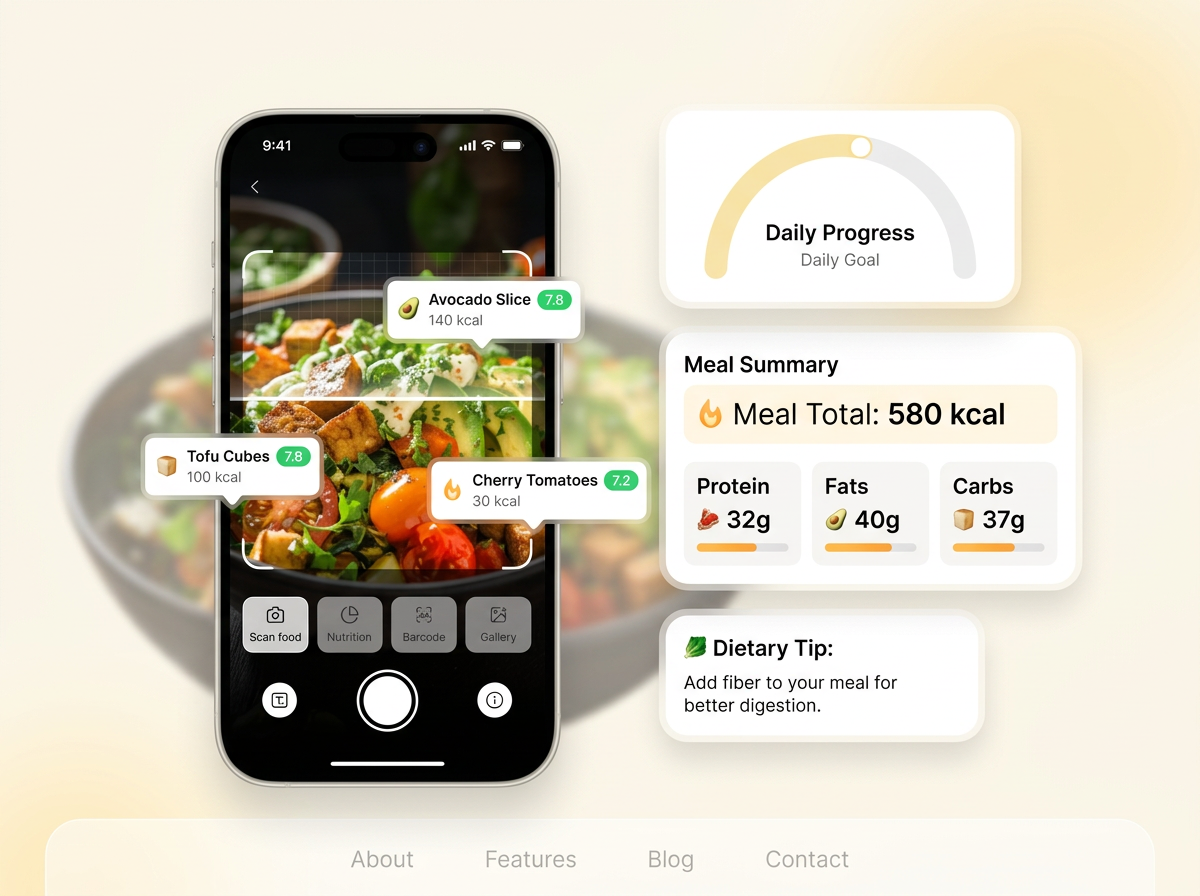
- Use CalBye to compare takeaway and pub portions more realistically.
Part 5. FAQs About Fish and Chips Calories
- How many calories are in fish and chips?
A smaller portion may be around 650 calories, while a typical restaurant plate can be around 900 or more. - Why is fish and chips so high in calories?
Batter, frying oil, chips, and sauces all raise the total. - Is fish and chips high in protein?
Yes, the fish usually provides decent protein, but the meal is still heavy because of the fried components. - Can fish and chips fit a diet plan?
Yes, but smaller portions and lighter sides make it much easier.
 Add CalBye as a preferred source on Google