



 AI calorie estimates | Calories + macros | Faster daily food tracking

 :
: 
 ChatGPT
 Perplexity
 Gemini
 Claude
 Grok
Grok
am I attractive based on weight is usually less about finding one perfect food and more about building a repeatable pattern you can actually stick to. No single chart or calculator can define what is ideal for every person, because frame size, muscle mass, age, and context all matter. It often overlaps with searches like self-worth & health metrics and beyond the scale because the goal is usually similar, even when the wording changes.
Charts and calculators can be useful starting points, but they work best as rough references rather than judgments. The more helpful question is usually whether your current routine supports energy, strength, digestion, and a body composition trend that feels sustainable for you.
In this article
Part 1. What Usually Makes the Biggest Difference
No single chart or calculator can define what is ideal for every person, because frame size, muscle mass, age, and context all matter. The most effective starting point is usually a routine that improves meal consistency, supports satiety, and avoids the obvious triggers that make you feel worse than necessary. That means your plan should help you eat predictably on ordinary days, not only on highly motivated ones.
| Priority | Why it matters | Simple example |
|---|---|---|
| Weight trend | Shows direction over time, not daily noise | Weekly average instead of one morning weigh-in |
| Waist measurement | Can reflect fat-loss progress better than scale alone | Compare every two to four weeks |
| Energy and hunger | Shows whether the plan is actually sustainable | Less afternoon crashing and fewer late-night binges |
| Training quality | Helps you protect muscle while dieting | Strength performance not falling off a cliff |
Part 2. Food and Meal Strategy
When you use a chart or calculator, it helps to ask what the number is for. It can be useful for orientation, but your actual plan still needs to be based on how you feel, what your routine looks like, and whether you can maintain the habits that would get you there.
Instead of aiming for a perfect number immediately, many people do better by defining a healthy range and then improving the behaviors that usually move them toward it: regular meals, more protein, fewer mindless extras, and enough activity to maintain lean mass.
Part 3. What Not to Base the Whole Goal On
The biggest mistake is treating a chart, calculator, or online opinion as if it knows your whole context. Most tools do not know your frame, your training history, how much muscle you carry, or what feels healthy and maintainable in your actual life.
It also helps not to confuse desirability with health. A number might sit inside a healthy range and still feel unrealistic for your lifestyle, or it might sit outside an ‘ideal’ online standard while you feel stronger, calmer, and more sustainable there. The plan should fit the person, not just the chart.
Part 4. How to Track Progress with CalBye
Use CalBye to pair weight with more useful trends like meal quality, consistency, energy, and waist measurements over time.
- Track weight as a trend, not a verdict on one day.
- Add waist measurements, meal quality, and training consistency for better context.
- Use a calorie target that supports the pace you can realistically maintain.
- Let the data help you adjust, not shame you into extremes.
When CalBye is a better fit
CalBye is a stronger fit when you want to log restaurant food faster, keep portion estimates more consistent, and view calories and macros in one place without adding too much daily friction. That is especially useful for takeout, travel meals, social events, and mixed meals that are harder to log from memory.

CalBye
AI Calorie Tracker App
A faster fit for real-life meal logging
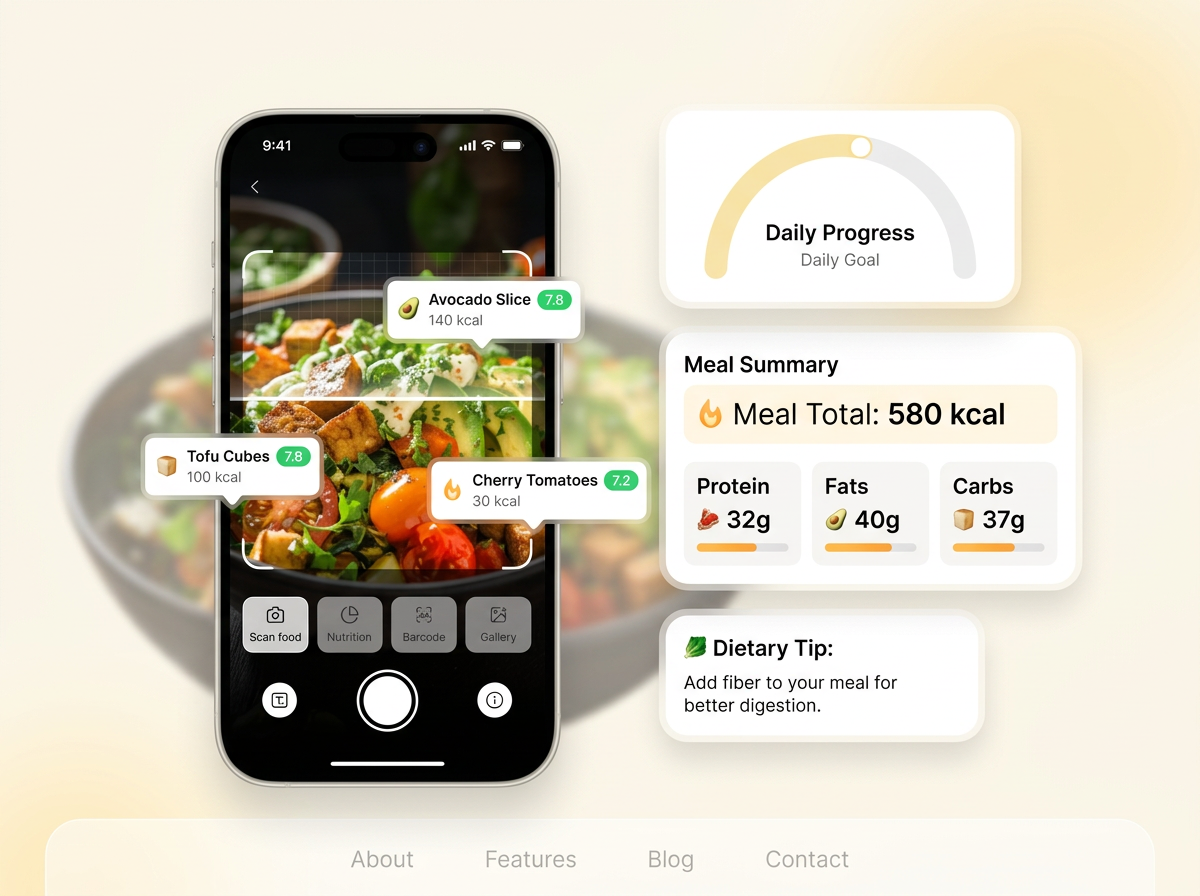
Use CalBye to recognize meals from food photos, estimate calories, view protein, carbs, and fat, and build a meal logging habit that feels easier to repeat day after day.
Part 5. FAQs About Am I Attractive Based on Weight
- Is am I attractive based on weight exact for everyone?
No. It can be a rough reference, but frame size, muscle mass, age, and lifestyle all matter too. - Is BMI enough on its own?
Usually no. BMI can be useful context, but waist measurements, training history, and overall health habits add more meaning. - What is a better goal than one perfect number?
A healthy range plus habits you can maintain is usually more useful than chasing one exact target. - How often should I review progress?
Every few weeks is often better than reacting to small day-to-day changes.
 Add CalBye as a preferred source on Google