



 AI calorie estimates | Calories + macros | Faster daily food tracking

 :
: 
 ChatGPT
 Perplexity
 Gemini
 Claude
 Grok
Grok
gnocchi calories Gnocchi calories depend on both the dumplings themselves and the sauce served with them. Plain potato gnocchi is often moderate by the cup, but the total changes dramatically once butter, cream, cheese, or pesto are involved. Because gnocchi looks smaller and denser than pasta, many users underestimate how much they actually ate, especially in restaurant bowls.
In this article
Part 1. Gnocchi Calories by Preparation Style
Gnocchi is made mainly from potato, flour, and sometimes egg, so it behaves more like a dense starch than a low-calorie side. A bowl with tomato sauce can fit a moderate meal fairly well, while a cream-based restaurant version becomes much richer even if the portion looks similar.
A practical range is more useful than a single perfect number because restaurant, homemade, and packaged versions often differ in size and preparation. For batch content planning, the goal is not to pretend every portion is identical, but to give users a realistic starting point that matches what people commonly eat.
| Serving | Calories | Notes |
|---|---|---|
| 1 cup plain cooked gnocchi | About 250 kcal | Useful base estimate |
| Gnocchi with tomato sauce | About 350 kcal | Lighter finished dish |
| Gnocchi with cream sauce | About 500+ kcal | Butter, cream, and cheese raise the total |
Part 2. Nutrition Facts for Gnocchi Calories
One cup of plain gnocchi commonly provides mostly carbs, a little protein, very little fiber, and low fat until sauce is added. The finished meal profile depends much more on the sauce than on the dumplings alone.
When users search for gnocchi calories, they are usually trying to figure out whether the food fits a normal meal, a lighter plan, or a more indulgent day. That is why portion context matters as much as the raw numbers. A small serving and a restaurant-sized serving can feel similar in memory but behave very differently in a food log.
It also helps to read the macros as a pattern instead of focusing on calories alone. Foods that look moderate in calories can still be high in sodium, sugar, or fat, while higher-calorie foods may at least offer more protein or satiety. That bigger picture is what helps users make smarter repeat decisions rather than one-off guesses.
Part 3. Is Gnocchi Healthy
Gnocchi can fit a balanced diet, but it is usually best treated like pasta or dumplings rather than a vegetable-forward dish. Portion size and sauce choice matter the most. Tomato-based sauces, vegetables, and lean proteins usually keep the meal lighter, while brown butter, cream, or lots of cheese turn it into a heavier comfort-food plate. For users trying to track carefully, sauce is the detail that should never be skipped.
For most people, the best tracking habit is not perfection but consistency. Choosing a practical estimate and repeating it the same way each time usually works better than switching methods from meal to meal. That consistency also makes it easier to notice which foods are genuinely satisfying and which ones only look lighter than they really are.
Part 4. How to Track Gnocchi Calories with CalBye
The easiest way to get more accurate results is to log the base item first and then account for the extras that are most likely to be forgotten. That approach usually works better than trying to remember every detail later.
- Log gnocchi by cups or bowl size instead of by visual guesswork.
- Tomato sauce, pesto, brown butter, and cream sauces all change the final estimate a lot.
- Restaurant gnocchi portions are often denser than they look in wide bowls.
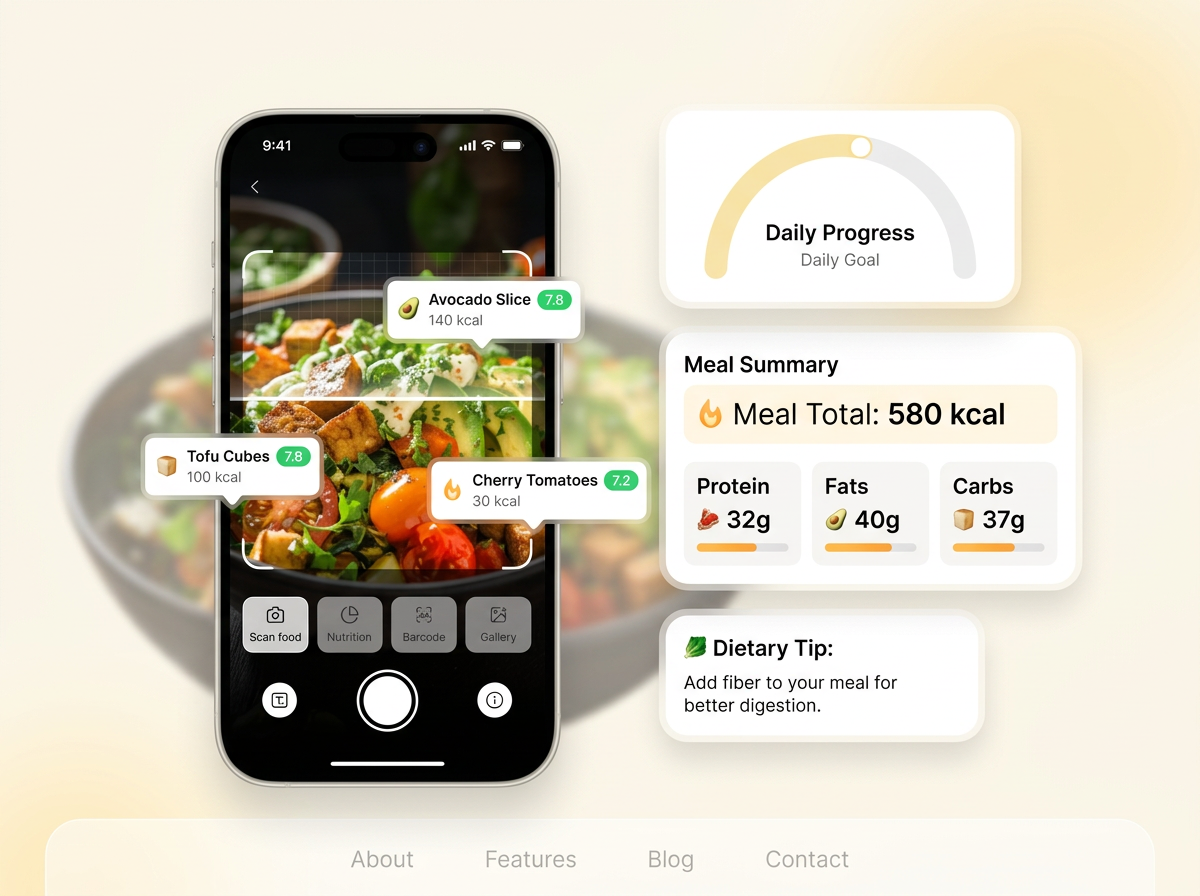
- Use CalBye to compare homemade and restaurant gnocchi meals more reliably.
Part 5. FAQs About Gnocchi Calories
- How many calories are in gnocchi?
Plain cooked gnocchi is often around 250 calories per cup, but finished dishes vary a lot with sauce. - Is gnocchi lower in calories than pasta?
Not always. It depends on the portion size and sauce, not only the type of starch. - What is gnocchi made of?
Most gnocchi is made from potato, flour, and sometimes egg. - Why do cream-sauce gnocchi dishes get so high in calories?
Butter, cream, and cheese usually add more than the gnocchi itself.
 Add CalBye as a preferred source on Google