



 AI calorie estimates | Calories + macros | Faster daily food tracking

 :
: 
 ChatGPT
 Perplexity
 Gemini
 Claude
 Grok
Grok
fries calories Fries calories rise quickly because potatoes absorb oil and serving sizes are often larger than they look in the container. A small order may fit into a meal without much trouble, but medium and large fries can add hundreds of calories before ketchup, burgers, or soda are even counted. For realistic logging, it helps to treat fries as a separate energy-dense side rather than a minor add-on.
In this article
Part 1. Fries Calories by Order Size
The potato itself is not the only story. Frying adds oil, which is why fries become much more calorie-dense than baked or boiled potatoes. Portion size is also visually deceptive because fluffy, irregular fries can seem lighter than they really are when spread across a tray or shared from a bag.
A practical range is more useful than a single perfect number because restaurant, homemade, and packaged versions often differ in size and preparation. For batch content planning, the goal is not to pretend every portion is identical, but to give users a realistic starting point that matches what people commonly eat.
| Serving | Calories | Notes |
|---|---|---|
| Small fries | About 230 kcal | Light side portion |
| Medium fries | About 360 kcal | Common fast-food serving |
| Large fries | About 500+ kcal | Easy to underestimate in combo meals |
Part 2. Nutrition Facts for Fries Calories
A medium order often gives roughly 45 to 50 g carbs, 15 to 20 g fat, a little protein, and a meaningful sodium load. That means fries are mostly a carb-and-fat side, not a filling protein source.
When users search for fries calories, they are usually trying to figure out whether the food fits a normal meal, a lighter plan, or a more indulgent day. That is why portion context matters as much as the raw numbers. A small serving and a restaurant-sized serving can feel similar in memory but behave very differently in a food log.
It also helps to read the macros as a pattern instead of focusing on calories alone. Foods that look moderate in calories can still be high in sodium, sugar, or fat, while higher-calorie foods may at least offer more protein or satiety. That bigger picture is what helps users make smarter repeat decisions rather than one-off guesses.
Part 3. Why Fries Feel Smaller Than They Really Are
Many users remember the burger and forget the fries, but the fries can be a large share of the meal total on their own. Restaurant fries also vary by cut, coating, and oil level. Thin fries, loaded fries, curly fries, and waffle fries all change the number. Ketchup, aioli, ranch, and cheese sauces can push a basic order much higher than expected, so sauces deserve their own entry in your log.
For most people, the best tracking habit is not perfection but consistency. Choosing a practical estimate and repeating it the same way each time usually works better than switching methods from meal to meal. That consistency also makes it easier to notice which foods are genuinely satisfying and which ones only look lighter than they really are.
Part 4. How to Track Fries Calories with CalBye
The easiest way to get more accurate results is to log the base item first and then account for the extras that are most likely to be forgotten. That approach usually works better than trying to remember every detail later.
- Log small, medium, or large rather than guessing by handfuls after the meal.
- Track sauces separately, especially aioli, ranch, or cheese-based dips.
- Loaded fries usually need a much higher estimate than plain salted fries.
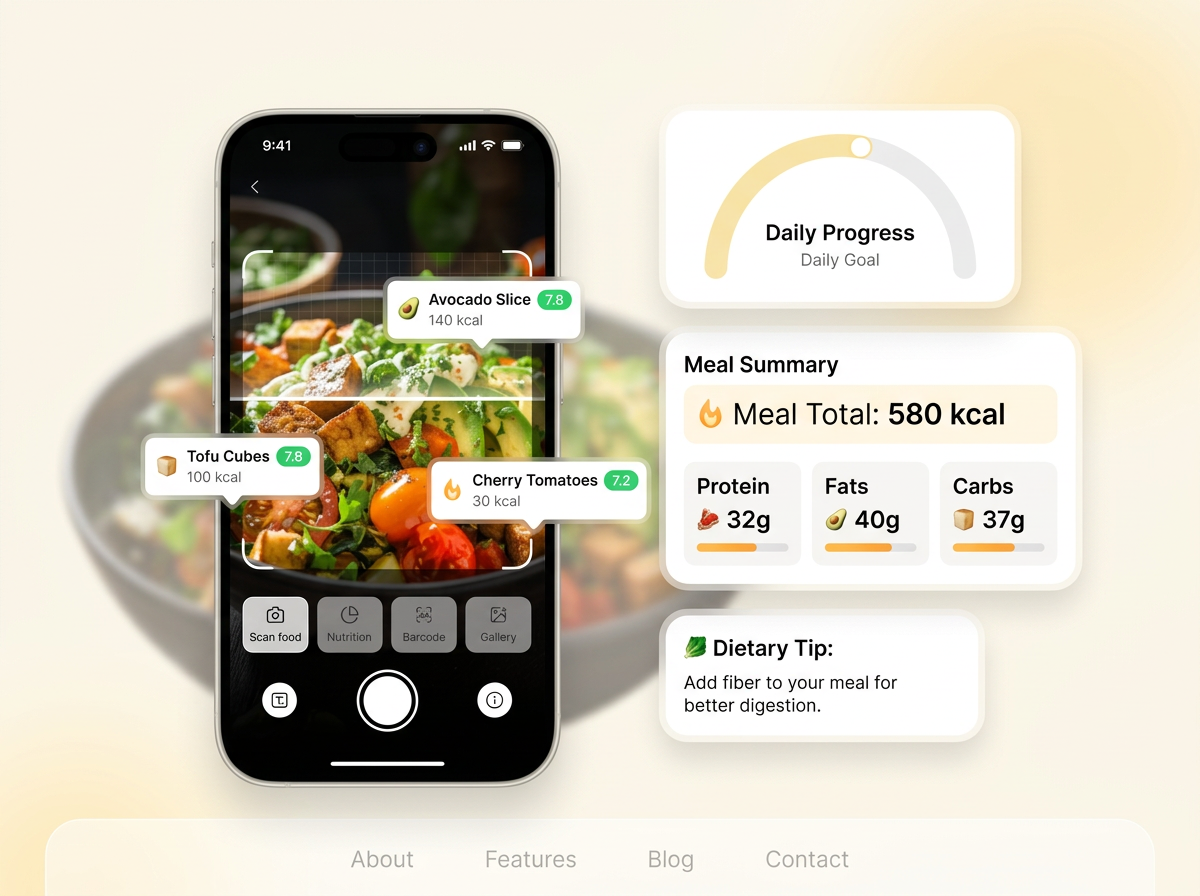
- Use CalBye to keep side orders visible so they do not disappear inside combo meals.
Part 5. FAQs About Fries Calories
- How many calories are in fries?
A small order is often around 230 calories, a medium around 360, and a large around 500 or more. - Are fries high in carbs?
Yes, fries are mainly a carbohydrate side with added fat from frying. - Do sauces matter much?
Yes. Dips like ranch, aioli, and cheese sauce can add a lot on top of the fries themselves. - Are baked fries lower in calories?
Usually yes, because they use less oil than deep-fried fries.
 Add CalBye as a preferred source on Google