



 AI calorie estimates | Calories + macros | Faster daily food tracking

 :
: 
 ChatGPT
 Perplexity
 Gemini
 Claude
 Grok
Grok
7 day transformation plan is usually less about finding one perfect food and more about building a repeatable pattern you can actually stick to. Fast visual change is usually about bloating, sodium, glycogen, and food volume first, while meaningful fat loss happens more gradually. It often overlaps with searches like one week meal plan to get slim and quick start weight loss because the goal is usually similar, even when the wording changes.
The most useful way to think about a fast-start plan is to separate visible short-term change from long-term fat loss. You may look or feel different within a few days if you eat more consistently and reduce obvious bloating triggers, but sustainable change still comes from habits you can repeat after the first burst of motivation fades.
In this article
Part 1. What Usually Makes the Biggest Difference
Fast visual change is usually about bloating, sodium, glycogen, and food volume first, while meaningful fat loss happens more gradually. The most effective starting point is usually a routine that improves meal consistency, supports satiety, and avoids the obvious triggers that make you feel worse than necessary. That means your plan should help you eat predictably on ordinary days, not only on highly motivated ones.
| Priority | Why it matters | Simple example |
|---|---|---|
| 24 to 72 hours | Best for lowering puffiness and getting back into routine | Less takeout, more water, fewer salty extras |
| 7 days | Enough time to rebuild consistency and feel lighter | Steady meals, more walking, earlier sleep |
| 2 to 6 weeks | Where visible body-composition changes become more believable | Moderate calorie deficit plus protein |
| Crash restriction | Often creates rebound hunger and poor adherence | Better replaced by a smaller, sustainable deficit |
Part 2. Food and Meal Strategy
The smartest move is to build a short, calm routine instead of chasing the most aggressive one. That usually means steady meals, more home-cooked food, enough water, a little extra walking, and fewer salt-heavy restaurant meals that make the next morning feel worse than it should.
If you want the week to actually matter, focus on what you can still do after day seven. A moderate calorie deficit, a little more movement, and better meal timing create a better foundation than trying to squeeze a month of fat loss into a few uncomfortable days.
Part 3. Common Myths and Mistakes
The biggest myth here is that a dramatic look in a few days automatically means body fat is dropping quickly. Often it is a combination of food volume, glycogen, water retention, and getting back to a regular routine. That can still feel rewarding, but it helps to label it correctly so you do not expect impossible week-over-week speed.
The other trap is using urgency as permission to do something miserable. A plan you dread by day two rarely turns into a plan you follow well by day ten. Fast starts are useful when they lead into calmer routines, not when they create a rebound.
Part 4. How to Track Progress with CalBye
Use CalBye to set a moderate calorie goal, track sodium and protein, and see progress from repeatable habits instead of guesswork.
- Set a moderate calorie target rather than an extreme one you are unlikely to keep.
- Track sodium, hydration, and meal timing during short event-prep windows.
- Use repeatable breakfasts and lunches to lower decision fatigue during the week.
- Judge progress by consistency and how you feel, not only by one morning weigh-in.
When CalBye is a better fit
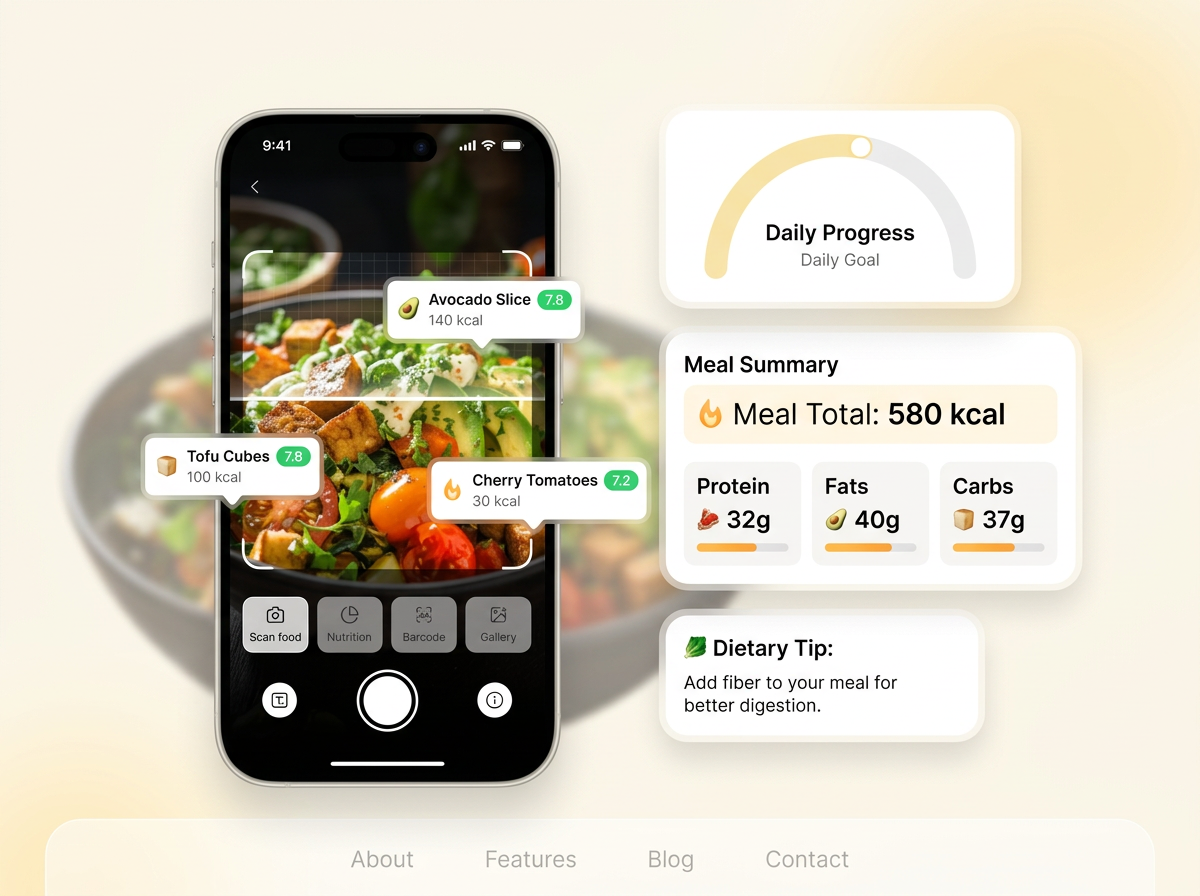
CalBye is a stronger fit when you want to log restaurant food faster, keep portion estimates more consistent, and view calories and macros in one place without adding too much daily friction. That is especially useful for takeout, travel meals, social events, and mixed meals that are harder to log from memory.

CalBye
AI Calorie Tracker App
A faster fit for real-life meal logging
Use CalBye to recognize meals from food photos, estimate calories, view protein, carbs, and fat, and build a meal logging habit that feels easier to repeat day after day.
Part 5. FAQs About 7 Day Transformation Plan
- Can 7 day transformation plan happen in a few days?
Short-term changes in bloating and food volume can happen quickly, but meaningful fat loss is slower. - What is the safest fast-start approach?
A moderate calorie deficit, steady hydration, enough protein, and fewer sodium-heavy meals is usually safer and easier to keep. - Why do fast plans rebound so often?
Because they are often too restrictive to sustain, which can lead to strong cravings and overeating afterward. - What should I measure during a short reset?
Track consistency, digestion, energy, and how repeatable the routine feels, not only the scale.
 Add CalBye as a preferred source on Google