



 AI calorie estimates | Calories + macros | Faster daily food tracking

 :
: 
 ChatGPT
 Perplexity
 Gemini
 Claude
 Grok
Grok
Arancini calories can vary more than many people expect because size, filling, breading, and frying method all affect the final number. If your goal is to understand whether one rice ball is a light snack or a heavier comfort food, the practical answer is that arancini can range from relatively moderate to surprisingly calorie-dense depending on recipe and portion. For daily food logging, a dedicated app like CalBye is often a better fit than trying to guess restaurant portions from memory.
In this article
Part 1. How Many Calories Are in Arancini
If you search arancini calories, rice ball nutrition, or arancini risotto balls, you will quickly notice that the numbers vary a lot. That is normal. One arancini is not the same as another, and restaurant servings are often very different from packaged or mini versions.
A practical rule is that smaller arancini bites can feel more like snack portions, while larger stuffed rice balls can land closer to a full comfort-food item. Once cheese, breadcrumbs, meat filling, and frying oil are involved, the calories rise faster than many users expect.
| Arancini Example | Serving Style | Typical Calorie Reference |
|---|---|---|
| Mini arancini bites | Small appetizer pieces | Usually the lightest option per piece |
| Standard rice balls | Snack or side serving | Often moderate but easy to underestimate |
| Large stuffed arancini | Full rice ball with filling | Can become much heavier because of rice, cheese, and frying |
Why users underestimate arancini
Arancini often looks smaller than it really is because it is shaped like a compact snack. In practice, though, the rice base, coating, oil, and fillings make it more substantial than the visual size suggests.
Why one number is rarely enough
If you log all arancini as one generic entry, your estimate may be directionally useful but not very accurate. The better approach is to think about serving size, visible filling, and whether the version is baked or fried.
Part 2. Why Arancini Calories Vary So Much
The reason arancini calories vary so much is simple: the recipe changes the food dramatically. Rice, breadcrumbs, cheese, meat, sauces, and oil absorption all influence the final total.
Size and weight
One restaurant may serve mini pieces meant for sharing, while another serves a much larger stuffed rice ball. Counting pieces without thinking about size is one of the most common tracking mistakes.
Filling and texture
Mozzarella, beef, richer cheese blends, and creamy fillings all make arancini denser. A lighter vegetable-based filling will usually not behave the same way in a calorie estimate.
Fried versus baked arancini
Fried arancini is usually the default reference most people imagine, but baked arancini can be a lighter-feeling option. Even then, total calories still depend on the portion and the filling.
Sauces and sides matter too
The rice ball itself is not always the whole plate. Tomato sauce, creamy dips, grated cheese, and side dishes can all change the meal total in ways that are easy to miss if you only log the arancini itself.
- Mini pieces: Easier to undercount because people treat them like finger food.
- Cheese-heavy versions: More calorie-dense than they appear.
- Fried versions: Usually heavier than baked versions.
- Sauce-added servings: The total meal can be much more than the rice ball alone.
Part 3. Arancini Nutrition Facts in Real Life
In everyday tracking, arancini is best understood as a comfort food that is usually carb-forward and often more energy-dense than plain rice. Rice provides the base, while breadcrumbs, cheese, filling, and frying add more energy and change the macro profile.
| Nutrition Point | What It Means in Practice |
|---|---|
| Rice base | Arancini starts with a compact carbohydrate foundation |
| Cheese and filling | These increase richness and can shift the food from a light snack to a heavier item |
| Breading and frying | These raise energy density and often make portions harder to estimate visually |
| Restaurant portions vary | One venue's arancini may be very different from another's in size and recipe |
Is arancini healthy or unhealthy?
It is more useful to think of arancini as a portion-aware food than to label it as simply good or bad. It can fit into a balanced diet, but it is usually better treated as a substantial snack or comfort-food item instead of something that is automatically light.
When arancini fits better
- When the portion is moderate: Smaller servings are easier to fit into the day.
- When baked versions are available: These may be easier to budget than fried versions.
- When the whole plate is considered: Logging sauce and sides helps the estimate stay realistic.
Part 4. How to Track Arancini with CalBye
If your main goal is not just curiosity, but building a repeatable habit around restaurant and prepared foods, then the logging workflow matters. That is where CalBye can help more in real life.
| Method | Best For | Main Limitation |
|---|---|---|
| Memory-based guess | Very rough estimates | Easy to forget size, filling, or sauce |
| Generic food database entry | Simple logging when exact details are unknown | May miss the real recipe and serving size |
| CalBye | Restaurant food tracking, photo-first estimates, and easier repeat logging | Still best used as a practical estimate tool for mixed or custom meals |
When CalBye is a better fit
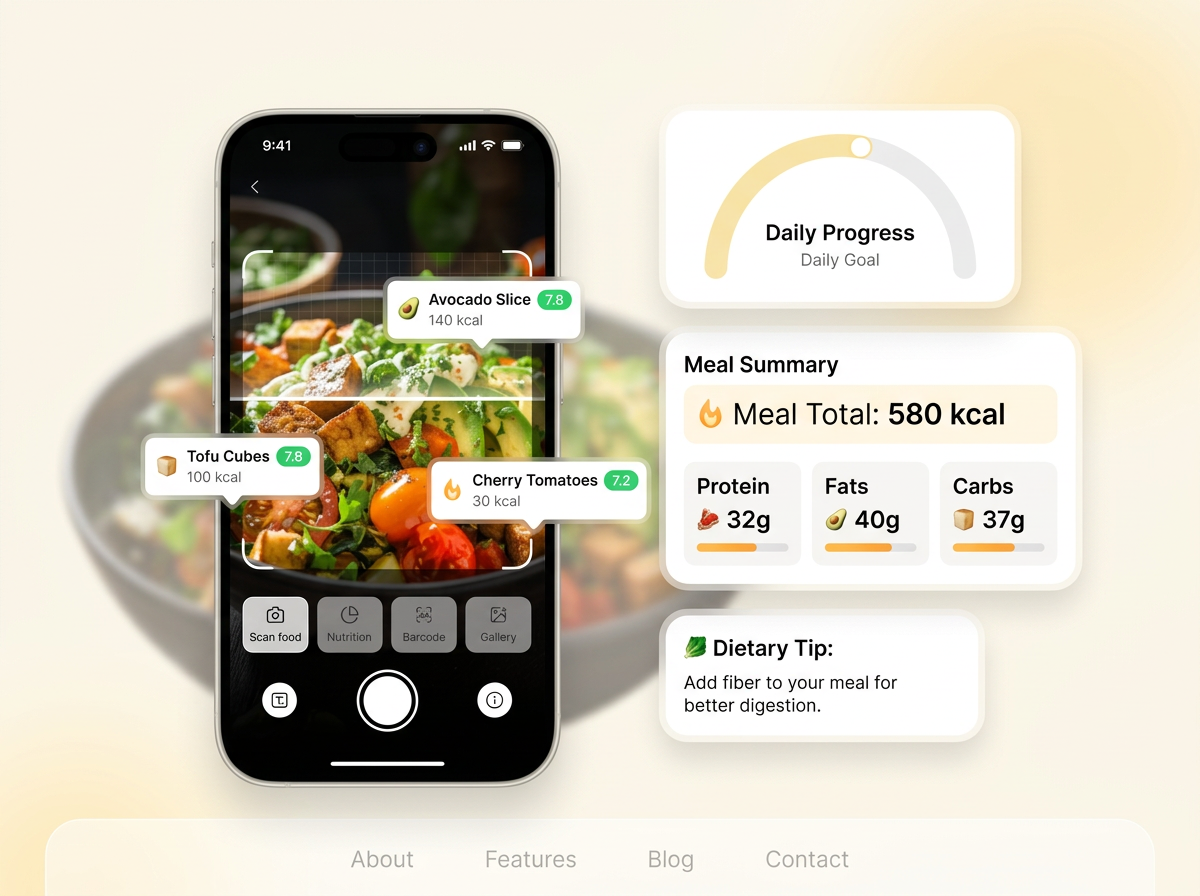
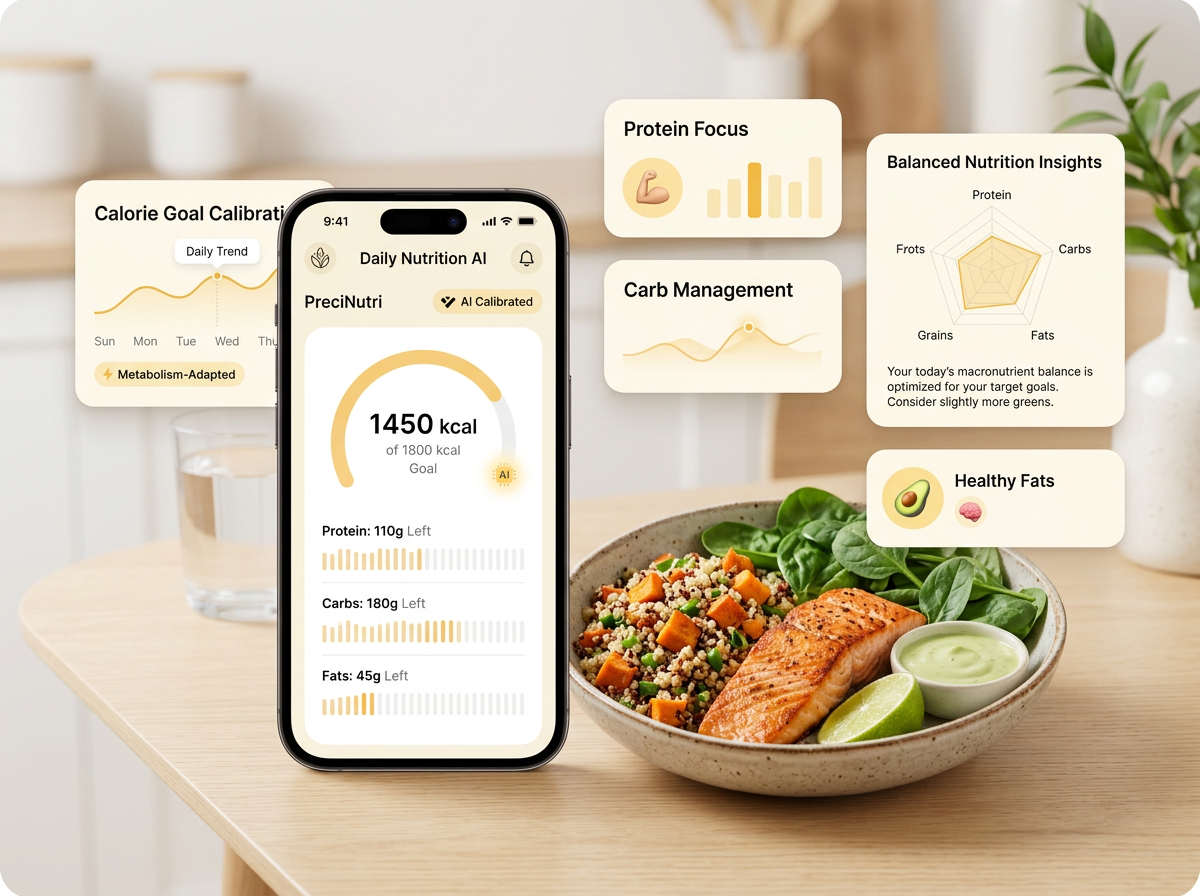
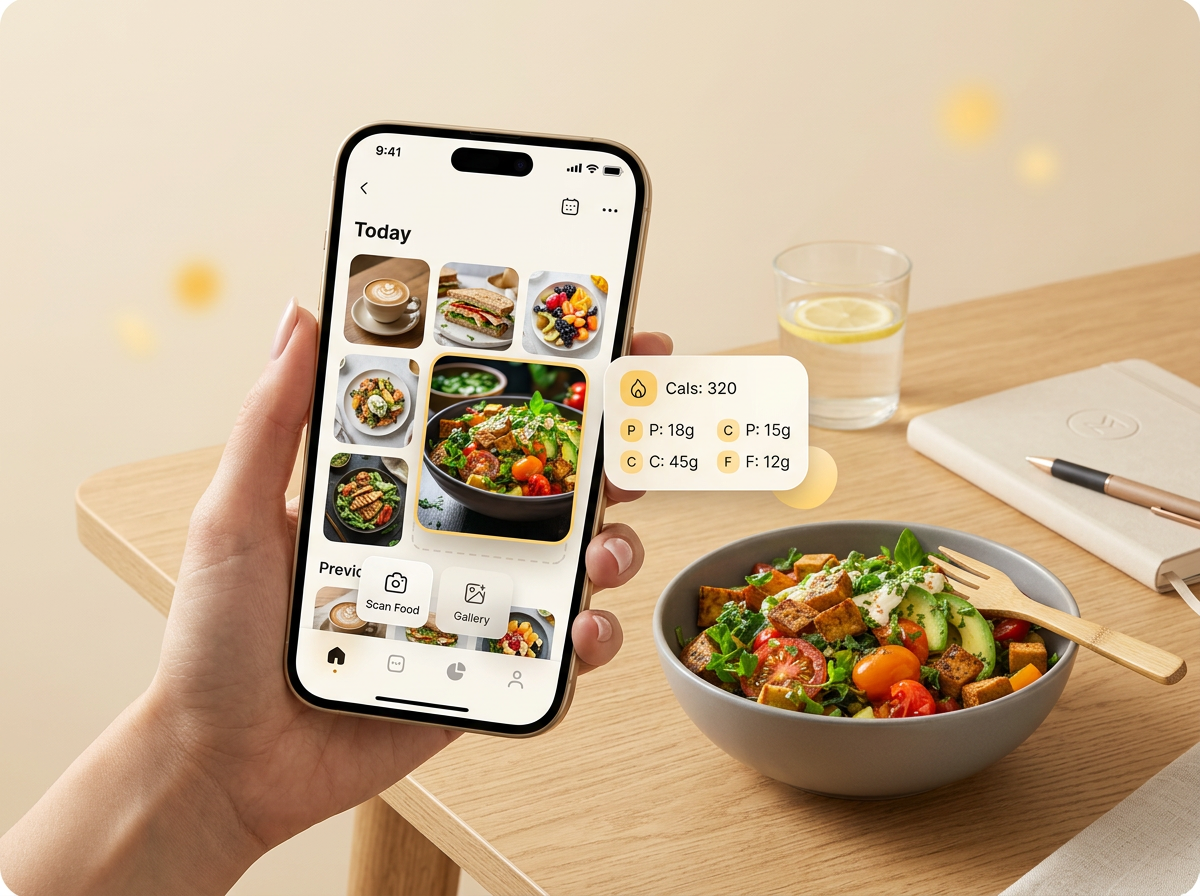
CalBye is especially useful when you want to log restaurant foods faster, estimate portions more consistently, and keep calories and macros visible in one place. That helps for mixed meals, travel meals, restaurant appetizers, and foods like arancini that look simple but vary a lot in real life.

CalBye
AI Calorie Tracker App
A more practical fit for real-life restaurant logging
Use CalBye to recognize meals from food photos, estimate calories, view protein, carbs, and fat, and keep your tracking workflow easier to repeat across everyday meals.
A simple practical method
Log the number of pieces, estimate the size honestly, and include sauces or sides separately. That workflow is usually more useful than forcing one generic arancini number onto every plate.

Part 5. FAQs About Arancini Calories
FAQs
1. How many calories are in one arancini?
It depends on size, filling, and cooking method. One piece can range from a lighter appetizer bite to a much heavier stuffed rice ball.2. Why are arancini calories so different between restaurants?
Recipe differences matter a lot. Rice amount, cheese, meat filling, breading, frying, and sauce all change the final total.3. Is baked arancini lower in calories than fried arancini?
Usually yes. Baked versions are often easier to fit into a calorie budget, although portion size still matters.4. Is arancini the same as plain rice for calorie tracking?
No. Arancini usually includes breading, filling, and often frying, so it is very different from logging plain cooked rice.5. What is the easiest way to track arancini?
The easiest method is to log the portion size realistically, include sauces or sides, and use a practical tool like CalBye to keep the workflow easier to repeat.
 Add CalBye as a preferred source on Google