



 AI calorie estimates | Calories + macros | Faster daily food tracking

 :
: 
 ChatGPT
 Perplexity
 Gemini
 Claude
 Grok
Grok
extreme calorie deficit is usually less about finding one perfect food and more about building a repeatable pattern you can actually stick to. Very aggressive restriction can create fast scale swings, but it often costs you satiety, training quality, and adherence. It often overlaps with searches like is very low calorie safe and risks of crash dieting because the goal is usually similar, even when the wording changes.
Extreme plans often look attractive because they promise fast results, but the trade-offs are real: low energy, stronger cravings, worse workouts, more food preoccupation, and a higher chance of rebound eating. A moderate deficit usually moves slower on paper while working better in real life.
In this article
Part 1. What Usually Makes the Biggest Difference
Very aggressive restriction can create fast scale swings, but it often costs you satiety, training quality, and adherence. The most effective starting point is usually a routine that improves meal consistency, supports satiety, and avoids the obvious triggers that make you feel worse than necessary. That means your plan should help you eat predictably on ordinary days, not only on highly motivated ones.
| Priority | Why it matters | Simple example |
|---|---|---|
| Very low calories | Raises fatigue and rebound risk quickly | Use a smaller deficit instead |
| Higher protein | Protects satiety and lean mass better | Aim for protein at every meal |
| Fiber and produce | Helps digestion and fullness | Fruit, vegetables, beans, oats |
| Medical caution | Some people should not use aggressive plans | Teens, pregnancy, eating-disorder history, chronic illness |
Part 2. Food and Meal Strategy
The more useful question is whether the plan still lets you function well: think clearly, sleep, train, work, and stay relatively sane around food. A modest deficit may feel less exciting, but it is usually much easier to maintain and less likely to turn into rebound eating.
In the long run, that makes it more effective for most people than a harsher approach they can only tolerate briefly. A plan that looks slower on paper often works better in real life.
Part 3. Main Risks, Myths, and Better Alternatives
The main myth is that more deficit is always better. Past a certain point, the extra discomfort often buys very little except stronger cravings and a higher chance of quitting. If a plan damages sleep, mood, training, and adherence, it is already too expensive for many people.
Another myth is that the lowest calorie target is the most disciplined one. In practice, the more disciplined plan is often the one you can repeat for weeks without losing control around food. That is what gives you a real trend instead of a short spike and crash.
Part 4. How to Track Progress with CalBye
Use CalBye to set a healthier calorie range, protect protein intake, and avoid guessing your way into an unnecessarily harsh deficit.
- Use tracking to prevent an overly harsh deficit, not to justify one.
- Protect protein intake and avoid letting calories drift too low for too long.
- Notice warning signs like exhaustion, obsession, dizziness, or poor training quality.
- Choose a plan that still leaves room for work, sleep, and normal life.
When CalBye is a better fit
CalBye is a stronger fit when you want to log restaurant food faster, keep portion estimates more consistent, and view calories and macros in one place without adding too much daily friction. That is especially useful for takeout, travel meals, social events, and mixed meals that are harder to log from memory.

CalBye
AI Calorie Tracker App
A faster fit for real-life meal logging
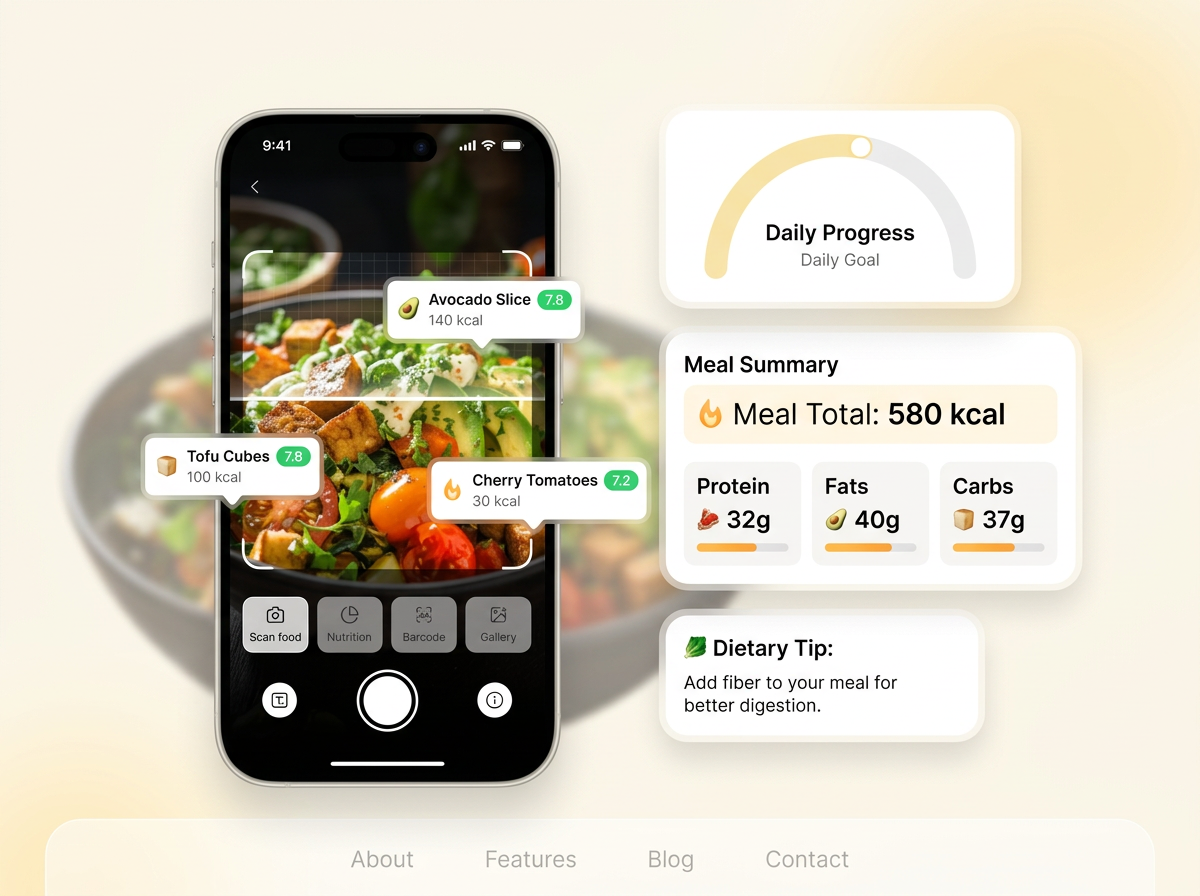
Use CalBye to recognize meals from food photos, estimate calories, view protein, carbs, and fat, and build a meal logging habit that feels easier to repeat day after day.
Part 5. FAQs About Extreme Calorie Deficit
- Is extreme calorie deficit the same as healthy fat loss?
Not always. Some searches in this category mix visible short-term change with true fat loss, and the difference matters. - What is the safer alternative to an extreme plan?
A smaller calorie deficit, enough protein, higher-fiber meals, and a routine you can keep for weeks usually works better. - Who should be extra careful with aggressive diets or fasting?
Teens, people who are pregnant, anyone with a history of disordered eating, and people with certain medical conditions should be especially cautious. - What should tracking focus on?
Focus on adequacy and consistency: protein, calories, hydration, energy, and whether the plan still feels sustainable.
 Add CalBye as a preferred source on Google