



 AI calorie estimates | Calories + macros | Faster daily food tracking

 :
: 
 ChatGPT
 Perplexity
 Gemini
 Claude
 Grok
Grok
tiny waist meal plan is usually less about finding one perfect food and more about building a repeatable pattern you can actually stick to. Leaner-looking areas usually reflect a mix of lower bloating, improved posture, more consistent food choices, and gradual overall fat loss. It often overlaps with searches like slim waist diet, hourglass figure meal prep, and waist-focused nutrition because people usually want a result that looks visible and feels realistic.
A better plan starts with consistent meals, enough protein, more produce, and a calorie intake that fits your activity level. That combination supports body-composition change while also helping with fullness, digestion, and day-to-day consistency.
In this article
Part 1. What Usually Makes the Biggest Difference
Leaner-looking areas usually reflect a mix of lower bloating, improved posture, more consistent food choices, and gradual overall fat loss. The most effective starting point is usually a routine that improves meal consistency, supports satiety, and avoids the obvious triggers that make you feel worse than necessary. That means your plan should help you eat predictably on ordinary days, not only on highly motivated ones.
| Priority | Why it matters | Simple example |
|---|---|---|
| Protein at each meal | Supports fullness and helps preserve lean mass while dieting | Eggs, Greek yogurt, chicken, tofu, fish |
| High-volume produce | Adds fiber and helps meals feel more filling | Berries, cucumber, leafy greens, cooked vegetables |
| Consistent sodium | Reduces random swings in puffiness and water retention | Avoiding huge restaurant-salt days back to back |
| Repeatable portions | Makes calorie intake easier to manage without obsessing | One simple breakfast and two dependable lunch options |
Part 2. Food and Meal Strategy
For this type of goal, the most useful food structure is usually surprisingly simple: protein first, a produce-heavy plate, a steady carb portion you can tolerate well, and fewer random high-sodium extras. That is not glamorous, but it works because it lowers decision fatigue and makes your intake easier to repeat from one day to the next.
A good starting meal pattern is three satisfying meals built around lean protein and fiber, with one snack if you actually need it. Many people get better results from being boring and consistent Monday through Friday than from constantly restarting with a stricter plan every few days.
Part 3. Common Myths and Mistakes
The biggest mistake with reshaping goals is assuming one food, one ab routine, or one short detox can selectively remove fat from one body part. It cannot. You can reduce bloating in a specific area, but true fat loss happens systemically, which is why your overall intake, movement, and adherence matter more than chasing a tiny ‘problem area’ tactic.
Another common mistake is setting the deficit too aggressively. That can make people hungrier, flatter in the gym, and more likely to rebound on weekends. A smaller deficit that protects training and protein usually creates a better look over time.
Part 4. How to Track Progress with CalBye
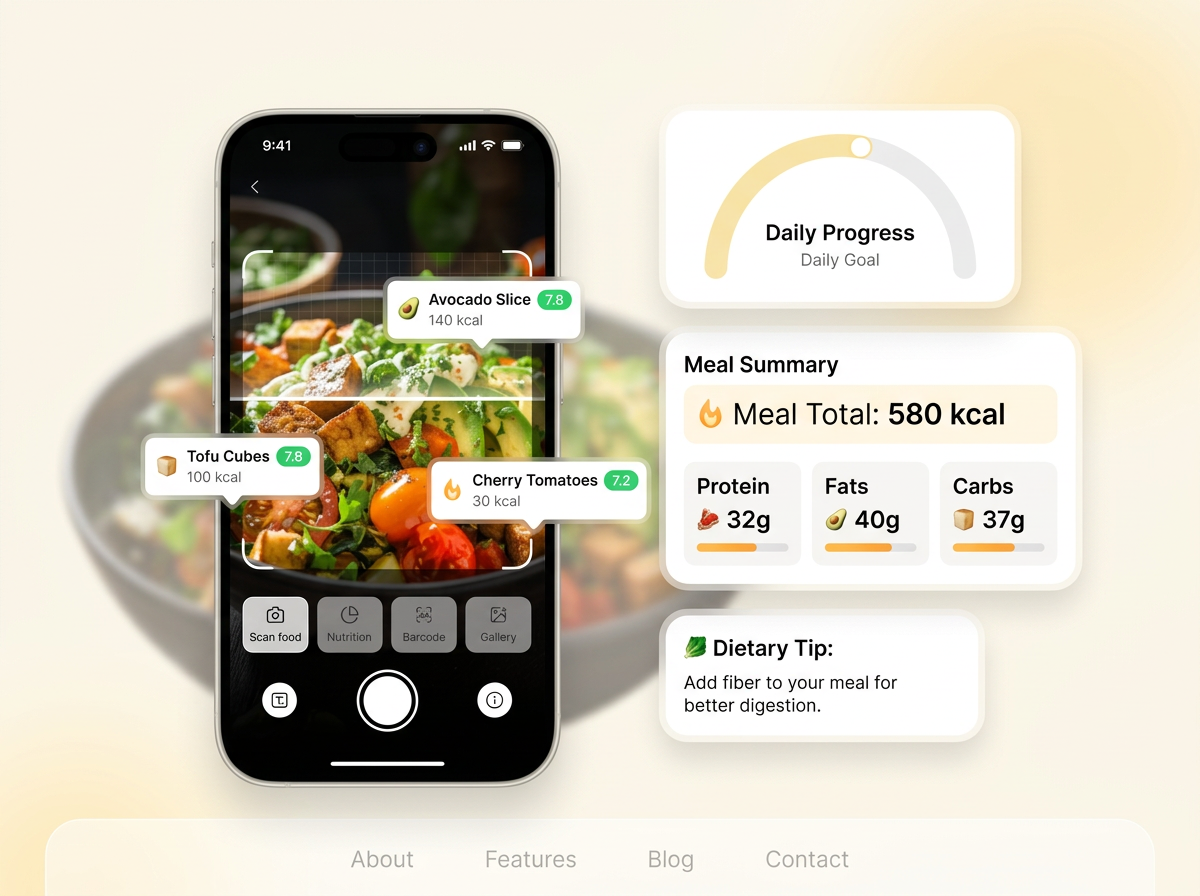
Use CalBye to log meals, monitor protein and total calories, and keep an eye on sodium or water-retention triggers when that matters.
- Track meals for consistency first instead of chasing perfect numbers on day one.
- Watch protein, calories, and any obvious sodium triggers that make you feel puffier.
- Pair nutrition tracking with steps or strength training if body-composition change is the goal.
- Use progress photos or waist/hip measurements alongside scale changes when helpful.
When CalBye is a better fit
CalBye is a stronger fit when you want to log restaurant food faster, keep portion estimates more consistent, and view calories and macros in one place without adding too much daily friction. That is especially useful for takeout, travel meals, social events, and mixed meals that are harder to log from memory.

CalBye
AI Calorie Tracker App
A faster fit for real-life meal logging
Use CalBye to recognize meals from food photos, estimate calories, view protein, carbs, and fat, and build a meal logging habit that feels easier to repeat day after day.
Part 5. FAQs About Tiny Waist Meal Plan
- Can tiny waist meal plan change one body area by itself?
Not in a true spot-reduction sense. It can reduce bloating and help overall fat loss, but body-fat change still happens across the body. - How fast can tiny waist meal plan start working?
You may feel less bloated within days if meals get more consistent, but visible fat-loss changes usually take longer. - What matters most for tiny waist meal plan?
Protein, repeatable meals, a realistic calorie intake, and patience usually matter more than a special food list. - Should I cut all carbs for tiny waist meal plan?
Usually no. Many people do better with moderate, consistent carb portions instead of extreme restriction.
 Add CalBye as a preferred source on Google