



 AI calorie estimates | Calories + macros | Faster daily food tracking

 :
: 
 ChatGPT
 Perplexity
 Gemini
 Claude
 Grok
Grok
how to get skinny in a week is usually less about finding one perfect food and more about building a repeatable pattern you can actually stick to. One week can absolutely improve your routine and reduce bloating, but it is not enough time for a healthy body transformation. It often overlaps with searches like healthy rapid start and realistic 7-day expectations because the goal is usually similar, even when the wording changes.
A week can be a useful reset for structure, sodium, hydration, and meal quality. It is not a healthy window for dramatic fat loss, but it can be enough time to build momentum, reduce puffiness, and feel more in control again.
In this article
Part 1. What Is Realistic and What Is Not
One week can absolutely improve your routine and reduce bloating, but it is not enough time for a healthy body transformation. The most effective starting point is usually a routine that improves meal consistency, supports satiety, and avoids the obvious triggers that make you feel worse than necessary. That means your plan should help you eat predictably on ordinary days, not only on highly motivated ones.
| Priority | Why it matters | Simple example |
|---|---|---|
| Very low calories | Raises fatigue and rebound risk quickly | Use a smaller deficit instead |
| Higher protein | Protects satiety and lean mass better | Aim for protein at every meal |
| Fiber and produce | Helps digestion and fullness | Fruit, vegetables, beans, oats |
| Medical caution | Some people should not use aggressive plans | Teens, pregnancy, eating-disorder history, chronic illness |
Part 2. Food and Meal Strategy
A healthy week is less about dramatic scale change and more about regaining structure: fewer takeout detours, steadier hunger, less bloating, and a clearer sense of what you are actually eating.
If the week helps you sleep better, hit protein more often, and stop the cycle of all-or-nothing eating, it has done its job. That is a better use of seven days than chasing a promise that your body was never designed to deliver safely.
Part 3. Main Risks, Myths, and Better Alternatives
The biggest mistake is expecting a week to deliver what only several weeks can deliver. You can absolutely look a bit tighter or feel less bloated in seven days, but promising dramatic fat loss usually sets people up to feel behind even when they actually made solid progress.
It is also smart to watch the language you use with yourself. Treating the week like punishment often leads to a reward binge afterward. Treating it like a reset usually creates better follow-through.
Part 4. How to Track Progress with CalBye
Use CalBye to focus on protein, fiber, meal timing, and a moderate calorie target so the week becomes a good starting point instead of a rebound setup.
- Track the week as a reset: protein, hydration, produce, and consistent meals.
- Avoid turning one off-plan meal into a full restart spiral.
- Use small daily wins to build momentum rather than trying to prove willpower.
- At the end of the week, keep the habits that felt easiest to repeat.
When CalBye is a better fit
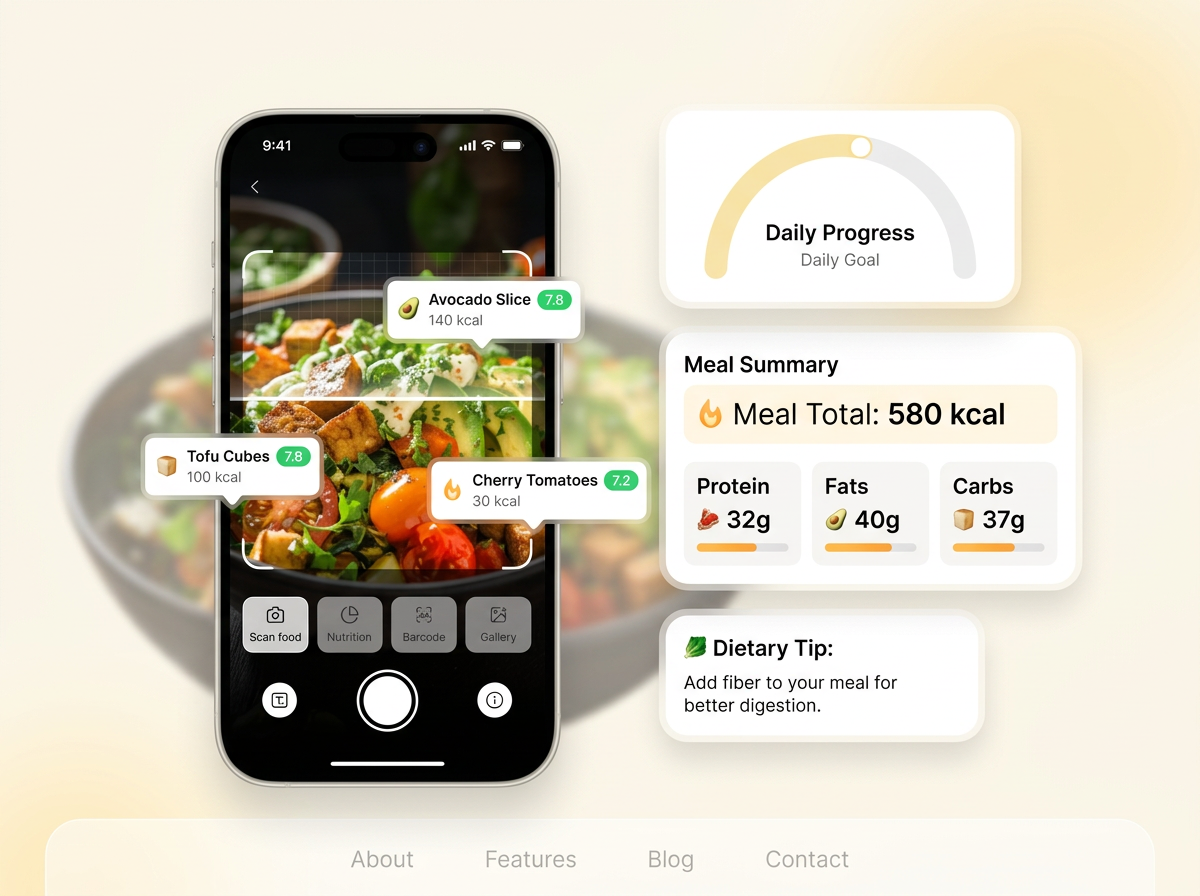
CalBye is a stronger fit when you want to log restaurant food faster, keep portion estimates more consistent, and view calories and macros in one place without adding too much daily friction. That is especially useful for takeout, travel meals, social events, and mixed meals that are harder to log from memory.

CalBye
AI Calorie Tracker App
A faster fit for real-life meal logging
Use CalBye to recognize meals from food photos, estimate calories, view protein, carbs, and fat, and build a meal logging habit that feels easier to repeat day after day.
Part 5. FAQs About How to Get Skinny in a Week
- Is how to get skinny in a week the same as healthy fat loss?
Not always. Some searches in this category mix visible short-term change with true fat loss, and the difference matters. - What is the safer alternative to an extreme plan?
A smaller calorie deficit, enough protein, higher-fiber meals, and a routine you can keep for weeks usually works better. - Who should be extra careful with aggressive diets or fasting?
Teens, people who are pregnant, anyone with a history of disordered eating, and people with certain medical conditions should be especially cautious. - What should tracking focus on?
Focus on adequacy and consistency: protein, calories, hydration, energy, and whether the plan still feels sustainable.
 Add CalBye as a preferred source on Google