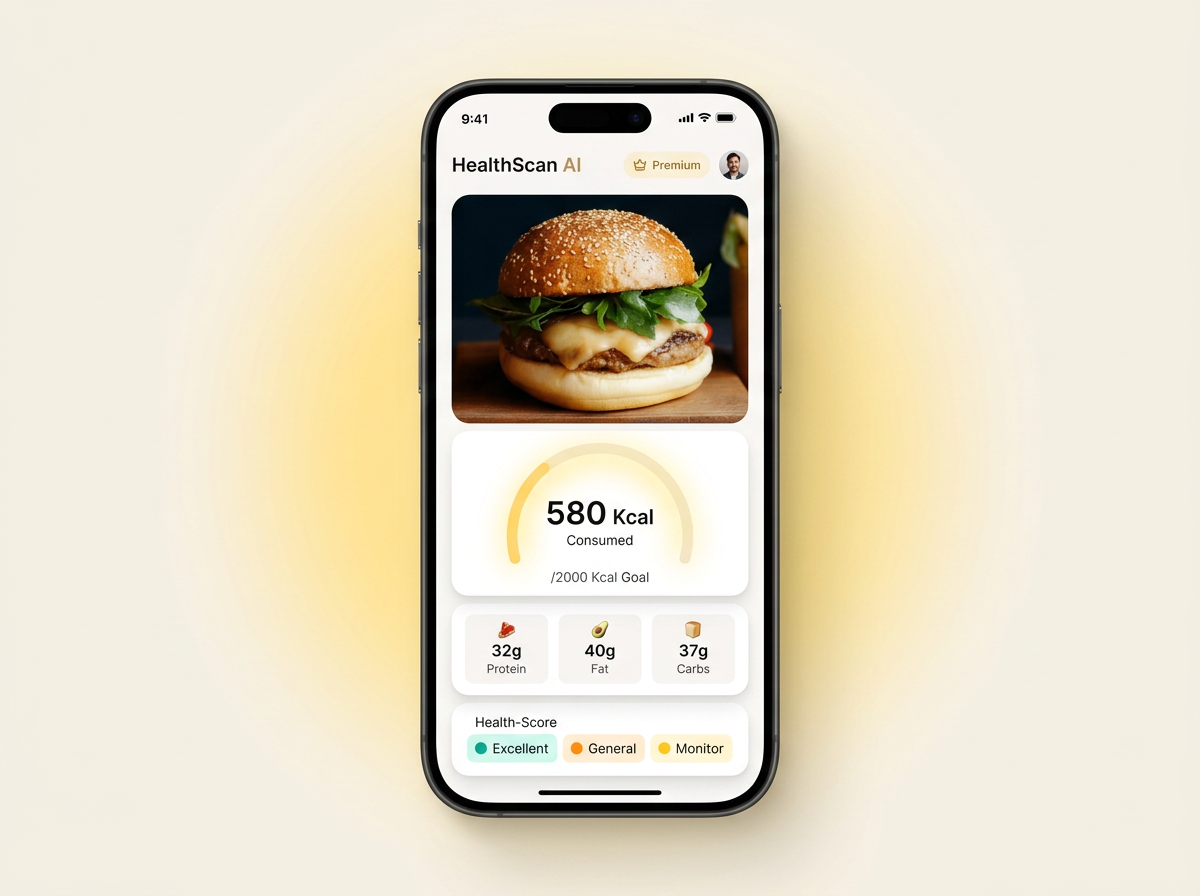


 AI calorie estimates | Calories + macros | Faster daily food tracking

 :
: 
 ChatGPT
 Perplexity
 Gemini
 Claude
 Grok
Grok
Trying to create a beach body calorie deficit in just 7 days? The smarter goal is not an extreme cut. It is creating a short, controlled week that helps you eat more intentionally, reduce the highest-calorie extras, and feel more comfortable in your routine. A realistic 7-day beach body calorie deficit guide should explain what a calorie deficit is, why moderation matters, and why easier food logging can make the difference between “I tried” and “I actually followed through.”
In this article
Part 1. What a Calorie Deficit Means
WebMD explains that a calorie deficit happens when you burn more calories than you consume. In simple terms, your intake is lower than what your body uses to maintain its current weight. That is the basic mechanism behind weight loss, but the page also points out that overly aggressive deficits can create problems, which is important context for any “7-day” goal.
Mayo Clinic similarly explains that if you eat fewer calories and burn more through activity, you may lose weight, but actual results vary based on body size, activity level, gender, and other factors. That is why credible content should frame a beach body calorie deficit as a controlled short-term reset, not a guaranteed body-shape promise.
Part 2. How to Use a 7-Day Deficit More Realistically
The strongest one-week deficit plans do not rely on starvation. They work by reducing the biggest intake problems first. BODi also notes that a mild deficit is often a more useful starting point than a harsh one, especially for users who want something they can maintain.
Where most users should focus first
- Drinks: Alcohol, sweet coffee drinks, soda, and juice can quietly add up fast.
- Restaurant extras: Sauces, dressings, fried sides, and large portions often matter more than expected.
- Mindless snacking: A “small bite here and there” pattern can erase the intended deficit quickly.
- Meal consistency: Eating structured meals often works better than eating too little early and then overeating later.
| Approach | Best Result | Main Risk |
|---|---|---|
| Mild deficit + steady meals | Better consistency | Slower but more realistic progress |
| Aggressive 7-day cut | May feel intense at first | Higher rebound risk and lower sustainability |
| No tracking at all | Less effort up front | Harder to know what is actually happening |

Part 3. Why CalBye Helps With Short-Term Deficit Tracking
A calorie deficit only works if users stay aware of what they are eating often enough to make better decisions. That awareness becomes much easier when logging does not feel like homework. CalBye supports food photo recognition, barcode scan, database search, and text input, so users can choose the easiest method for the situation.
That makes CalBye especially useful for short-term beach goals, where users often need a faster way to estimate intake from takeout meals, grilled foods, packaged snacks, or casual restaurant dining. Once the meal is logged, users can review calories and basic nutrition information and then use AI-supported suggestions to make the next meal a little easier to control.
Part 4. FAQs About a 7-Day Beach Body Deficit
FAQs
-
1. What is the best calorie deficit for a 7-day beach body plan?
A moderate deficit is usually a better fit than an extreme one. The most useful one-week plan is the one you can actually follow without rebound eating. -
2. Can I see results in one week?
Some users may notice short-term changes in routine, bloating, and intake control within a week. It is better to frame the goal as a reset than as a dramatic transformation. -
3. Should I cut carbs completely for a beach body?
Not necessarily. For many users, total intake, food quality, and consistency matter more than completely removing one category of food. -
4. How does CalBye help with a calorie deficit?
CalBye helps users log meals faster, estimate calories, review basic macros, and stay more aware of daily intake with lower friction.
 Add CalBye as a preferred source on Google