



 AI calorie estimates | Calories + macros | Faster daily food tracking

 :
: 
 ChatGPT
 Perplexity
 Gemini
 Claude
 Grok
Grok
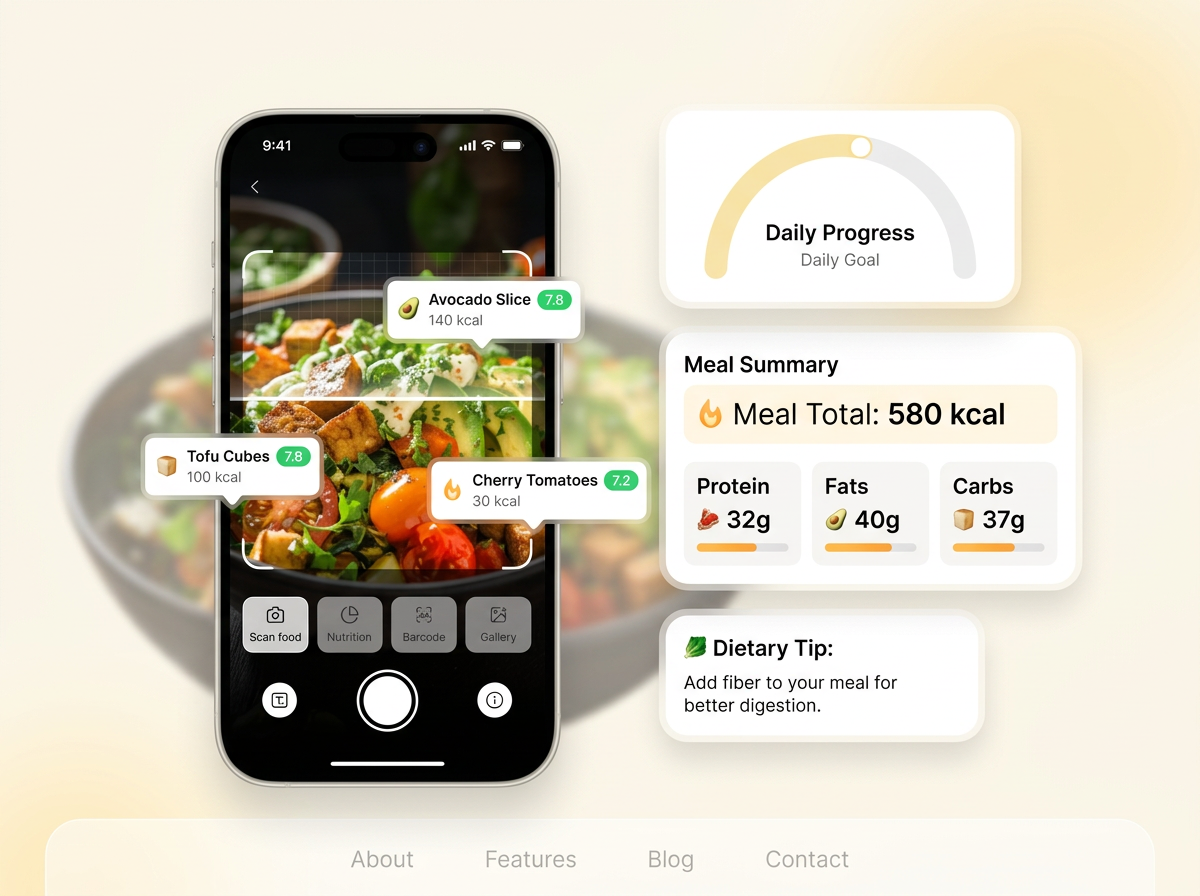
Is ChatGPT good for calorie counting? The short answer is: it can help with rough calorie estimates, meal ideas, and quick nutrition explanations, but it is usually not the best standalone tool for consistent calorie tracking. If your goal is faster daily food logging, better meal-photo estimates, and a clearer view of calories and macros, a dedicated app like CalBye is often a better fit.
In this article
Part 1. Is ChatGPT Good for Calorie Counting? The Short Answer
Yes, ChatGPT calorie counting can be useful when you want a fast estimate, a simple breakdown of a meal, or help understanding nutrition terms. But no, it is not usually the best choice if you want a reliable system for everyday food logging, especially when meals are mixed, homemade, or eaten at restaurants.
A more practical way to think about it is this: ChatGPT is helpful for conversation, while a dedicated calorie counting app is better for repeated tracking. That matters because consistency is usually the hard part of calorie counting, not asking the question once.
| Use Case | Is ChatGPT a Good Fit? | Why |
|---|---|---|
| Quick calorie estimate for one meal | Yes, sometimes | Useful for rough guidance when you just need a fast estimate |
| Calories and macros for restaurant food | Only partly | Portion size and hidden ingredients make estimates less stable |
| Daily meal logging | Not ideal | It adds friction compared with a dedicated calorie counter workflow |
| Tracking progress over time | Limited | ChatGPT is not built as a structured meal tracking system |
| Food photo calorie counting | Possible, but inconsistent | Good for rough recognition, weaker for exact portions and nutrient detail |
Can ChatGPT estimate calories from a food photo?
It can, but the result should usually be treated as a rough estimate rather than a precise log. Published research suggests ChatGPT performs much better at identifying foods in a meal photo than at estimating exact portion sizes and nutrient values.
How accurate is ChatGPT for calories and macros?
One recent meal-photo study found that ChatGPT showed strong food identification performance, but it often underestimated portion sizes and underestimated 11 of 16 nutrients. That means it may be useful for ranking meals or getting a general idea, but less dependable when you want precise calories and macros for consistent tracking.
Part 2. Where ChatGPT Helps and Where It Falls Short
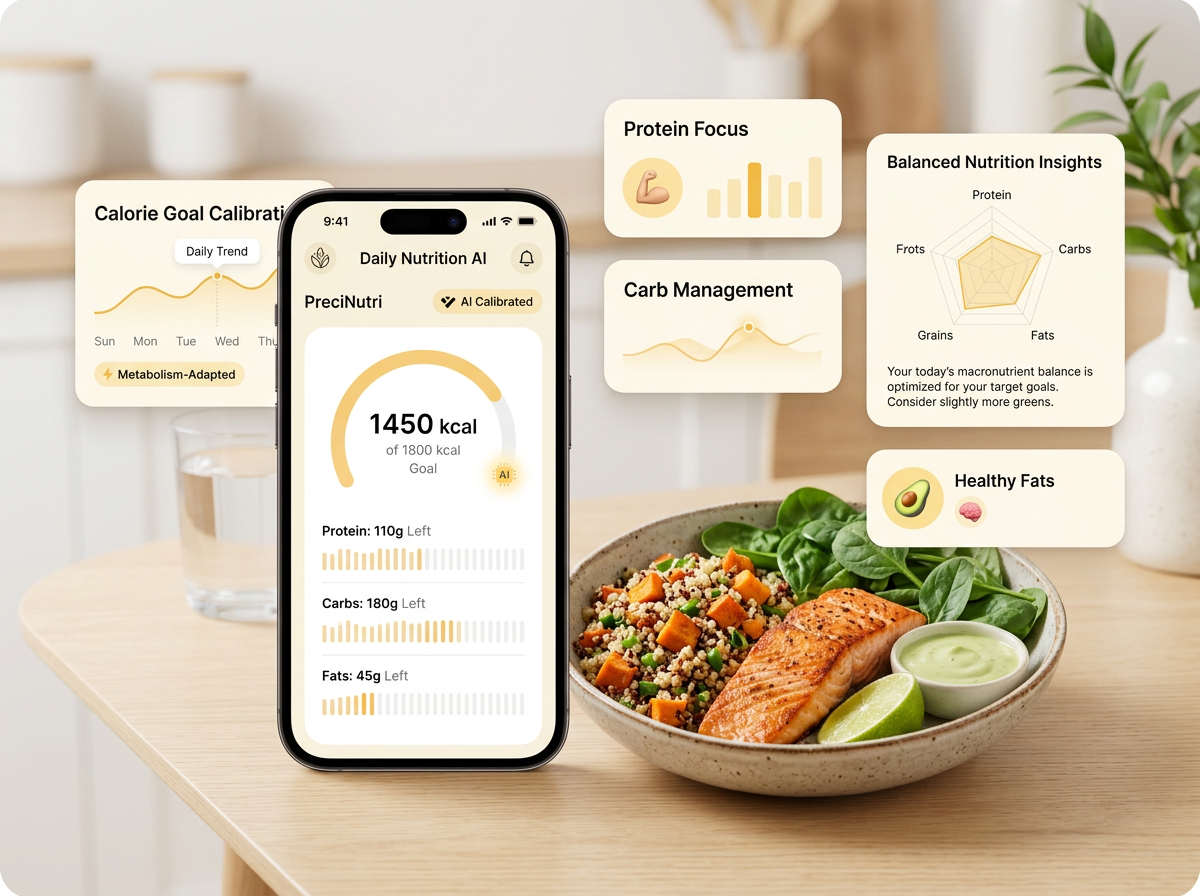
For many users, the real question is not whether ChatGPT can say a number. It is whether that number is good enough to build a repeatable calorie counting habit. That is where the difference becomes clear.
Where ChatGPT can help
- Rough calorie estimates: Helpful when you want a fast, approximate answer for a simple meal.
- Meal ideas and substitutions: Good for brainstorming lower-calorie swaps or higher-protein meal ideas.
- Nutrition explanations: Useful for understanding what protein, carbs, fat, or calorie deficit means in plain language.
- Menu interpretation: Helpful when you want to describe a meal and get a rough sense of what it might contain.
Where ChatGPT usually falls short
- Portion size accuracy: Mixed meals and restaurant dishes are harder to estimate reliably.
- Macro consistency: Even when calories look reasonable, protein, carbs, and fat can drift more than users expect.
- Daily tracking friction: Typing descriptions over and over is slower than a photo-first meal logging flow.
- Long-term tracking: It is not designed as a dedicated meal log with an optimized calorie counter workflow.
That broader limitation also matches how nutrition tracking platforms frame the issue: ChatGPT can support learning and meal inspiration, but it is not built around a verified nutrition-tracking workflow, detailed nutrient logging, or ongoing progress monitoring.
So is ChatGPT bad for calorie counting?
Not exactly. It is better to say that ChatGPT is useful for rough calorie counting, but not ideal as a dedicated, everyday tracking tool. If you are only checking one meal once in a while, it can help. If you want to log food faster and stay consistent across busy days, a purpose-built calorie counting app is usually more practical.
Part 3. ChatGPT vs CalBye for Daily Meal Logging
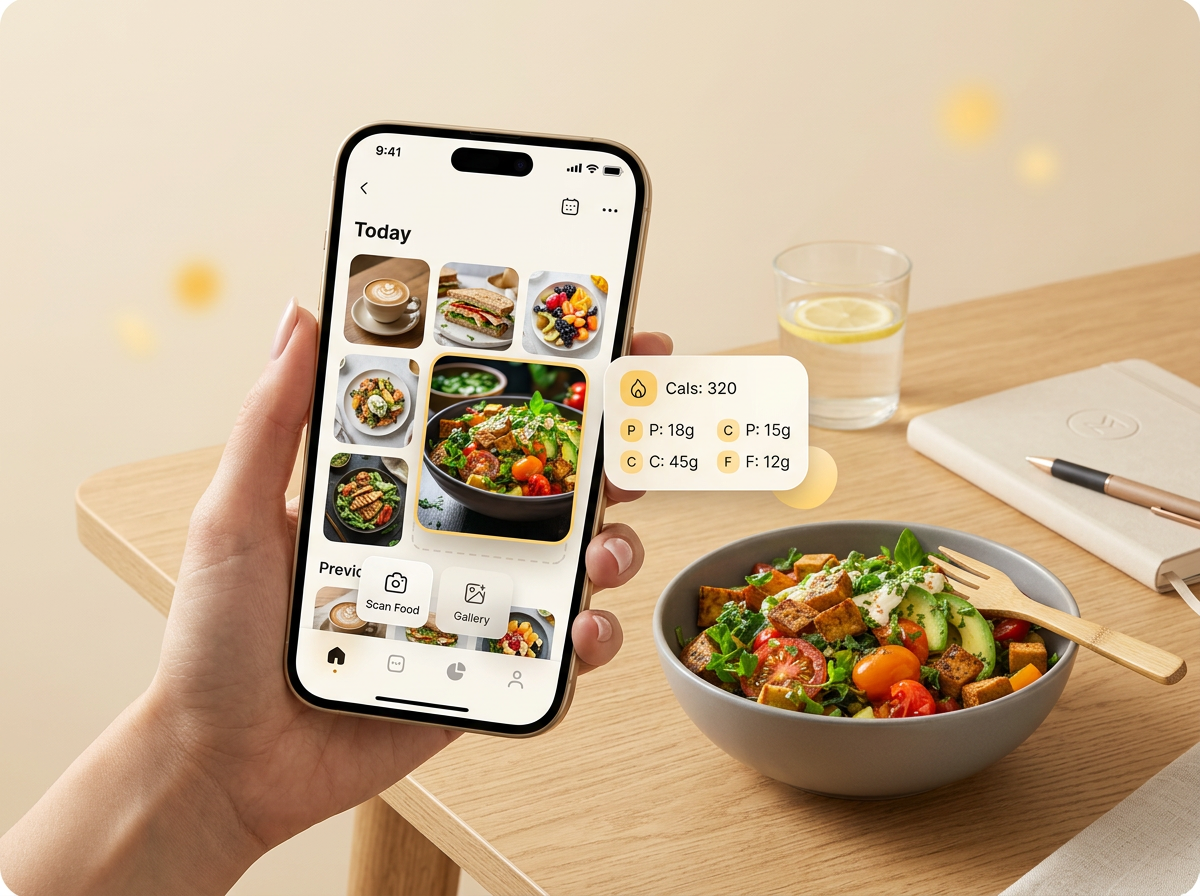
If your real goal is not “getting an answer,” but actually sticking with meal tracking, then the workflow matters. This is where a dedicated app like CalBye becomes easier to use in real life.
| Method | Best For | Main Limitation |
|---|---|---|
| ChatGPT | Quick estimates, meal ideas, nutrition questions | Less consistent for repeated food logging and exact macros |
| Manual calorie tracking app | Users who want detailed manual entry | Can feel slow and repetitive for real-life meals |
| CalBye | Photo-first meal logging, faster calorie estimates, daily consistency | Still best used as an estimate tool, especially for complex meals |
When CalBye is a better fit than ChatGPT
CalBye is a stronger fit when you want to snap a food photo, estimate calories faster, and view protein, carbs, and fat in one place. It is especially useful for takeout, restaurant meals, travel meals, and other situations where manual logging feels too slow to keep up with.

CalBye
AI Calorie Tracker App
A faster fit for real-life calorie tracking
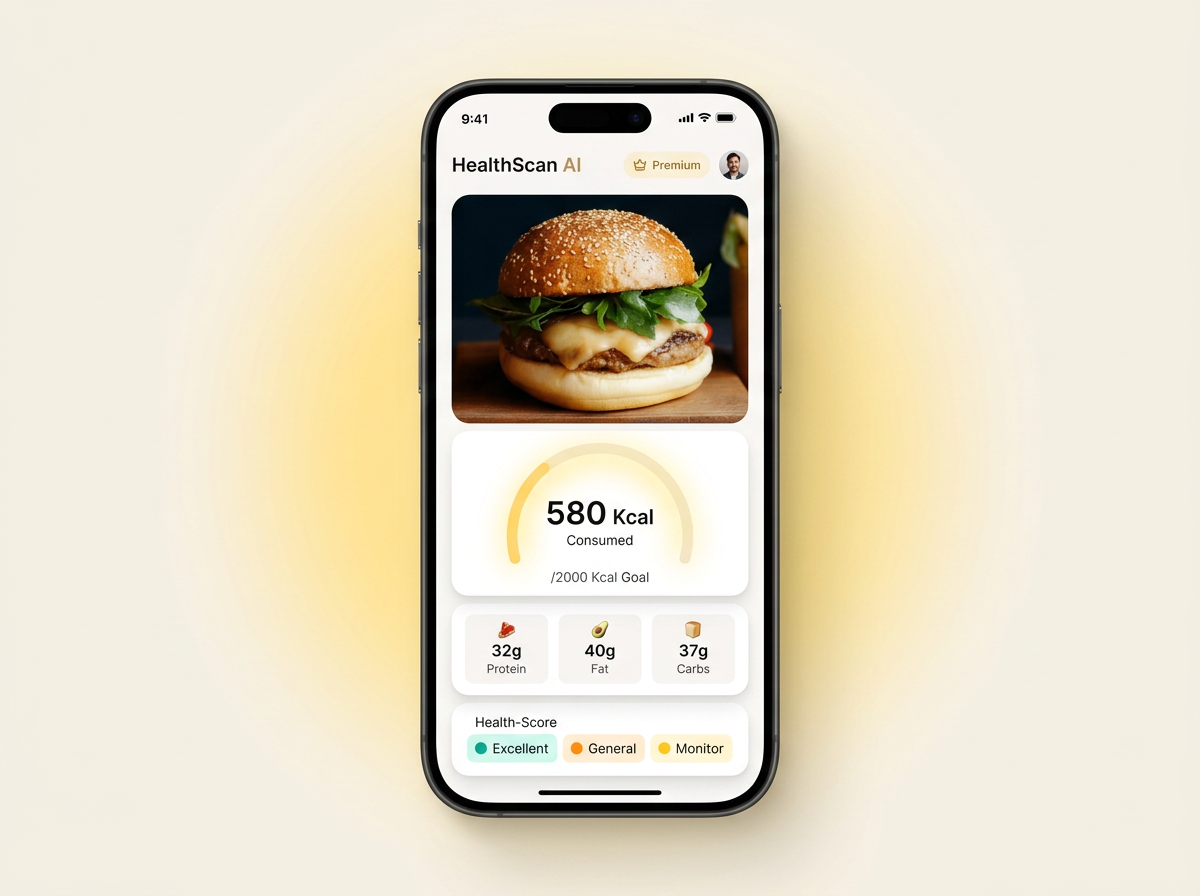
Use CalBye to recognize meals from food photos, estimate calories, view protein, carbs, and fat, and get AI-supported nutrition guidance that feels easier to repeat day after day.
Who should use ChatGPT, and who should use a calorie counter app?
Use ChatGPT if you mainly want meal suggestions, rough calorie ideas, or a simple explanation of nutrition concepts. Use a dedicated app like CalBye if your bigger goal is building a repeatable habit around food photos, calorie estimates, and macro visibility with less daily friction.
Part 4. FAQs About ChatGPT and Calorie Counting
FAQs
-
1. Can ChatGPT count calories from a food photo?
Yes, it can estimate calories from a food photo, but the result is usually better treated as a rough estimate than a precise nutrition log. Meal recognition may be decent, but portion size and hidden ingredients can still affect accuracy. -
2. Is ChatGPT accurate for calories and macros?
It can be directionally useful, but not consistently precise enough for everyone. Research suggests ChatGPT is stronger at identifying foods than estimating exact portions and nutrient totals, especially for larger or more complex meals. -
3. Is ChatGPT enough for daily calorie tracking?
For occasional questions, maybe. For everyday meal logging, many users will find it too manual and less structured than a dedicated calorie counter app designed for repeated use. -
4. What is better than ChatGPT for calorie counting?
If you want a faster, photo-first workflow, a dedicated AI calorie counter app is usually a better option. CalBye is a better fit when your goal is to snap meals, estimate calories, check protein, carbs, and fat, and keep the process easier to repeat. -
5. Can I use ChatGPT and CalBye together?
Yes. A practical setup is to use CalBye for faster meal-photo logging and calorie estimates, then use ChatGPT for broader questions like meal ideas, substitutions, or general nutrition explanations.
 Add CalBye as a preferred source on Google