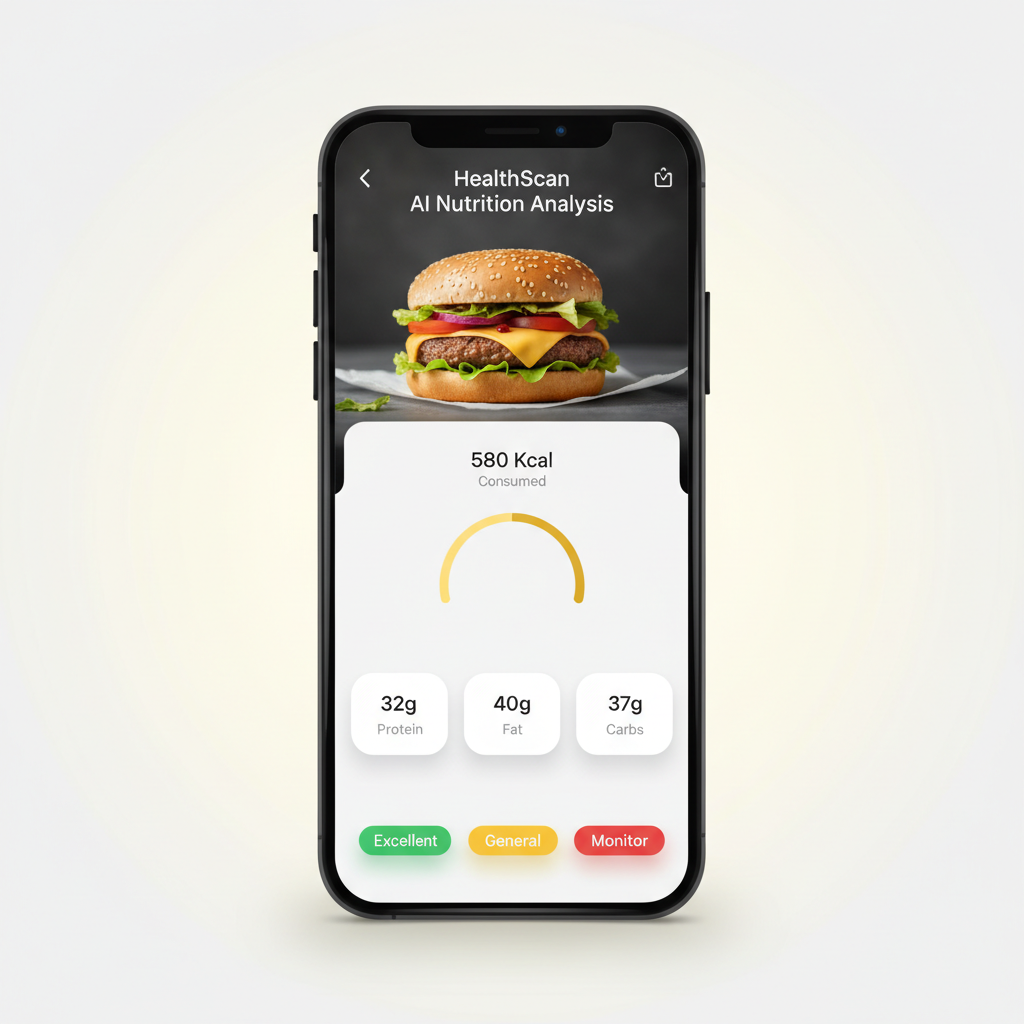
Capture the meal
Open CalBye, snap the dish, and let weight tracker & progress trends start from the food photo instead of a blank search bar.

AI nutrition workflow · Weight Tracker & Progress Trends
Weight Tracker & Progress Trends gives people a faster way to turn meal photos into usable calorie and macro estimates. Instead of breaking focus with manual search first, the weight tracker & progress trends flow helps users capture a meal, review nutrition details, and keep food tracking closer to everyday behavior. This feature page explains where that workflow saves time, what kind of output users can expect, and why it feels easier to repeat across busy days.



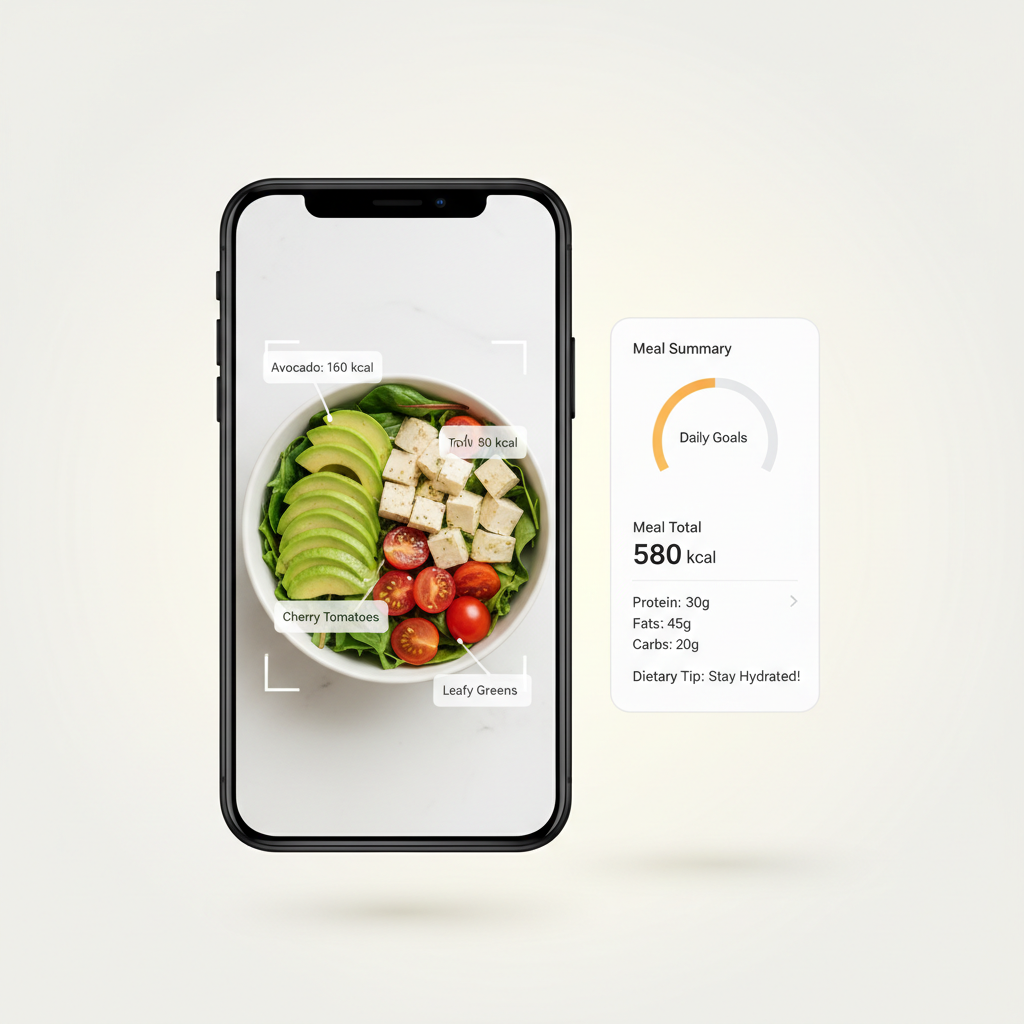
Open CalBye, snap the dish, and let weight tracker & progress trends start from the food photo instead of a blank search bar.
Check estimated calories, macros, and likely food matches so Weight Tracker & Progress Trends becomes a faster first draft for logging.
Edit portions when needed, save the entry, and use the weight tracker & progress trends workflow as a lightweight habit rather than a heavy nutrition chore.
What the feature actually returns
Weight Tracker & Progress Trends helps users recognize meals from photos, review estimated calories and macros, and understand how weight tracker & progress trends can fit everyday nutrition tracking without overcomplica
| User action | Take a meal photo or upload an existing image |
|---|---|
| What CalBye returns | Likely food matches, estimated calories, and a clearer weight tracker & progress trends nutrition summary |
| Why it helps | Reduces logging friction and makes daily review easier to sustain |
| Best fit | People who want Weight Tracker & Progress Trends to feel faster than manual search without losing the ability to correct entries |
Where this workflow feels most useful
This guide breaks down weight tracker & progress trends, the features worth comparing, and how to choose a calorie tracking tool that matches your goals, habits, and daily routine.
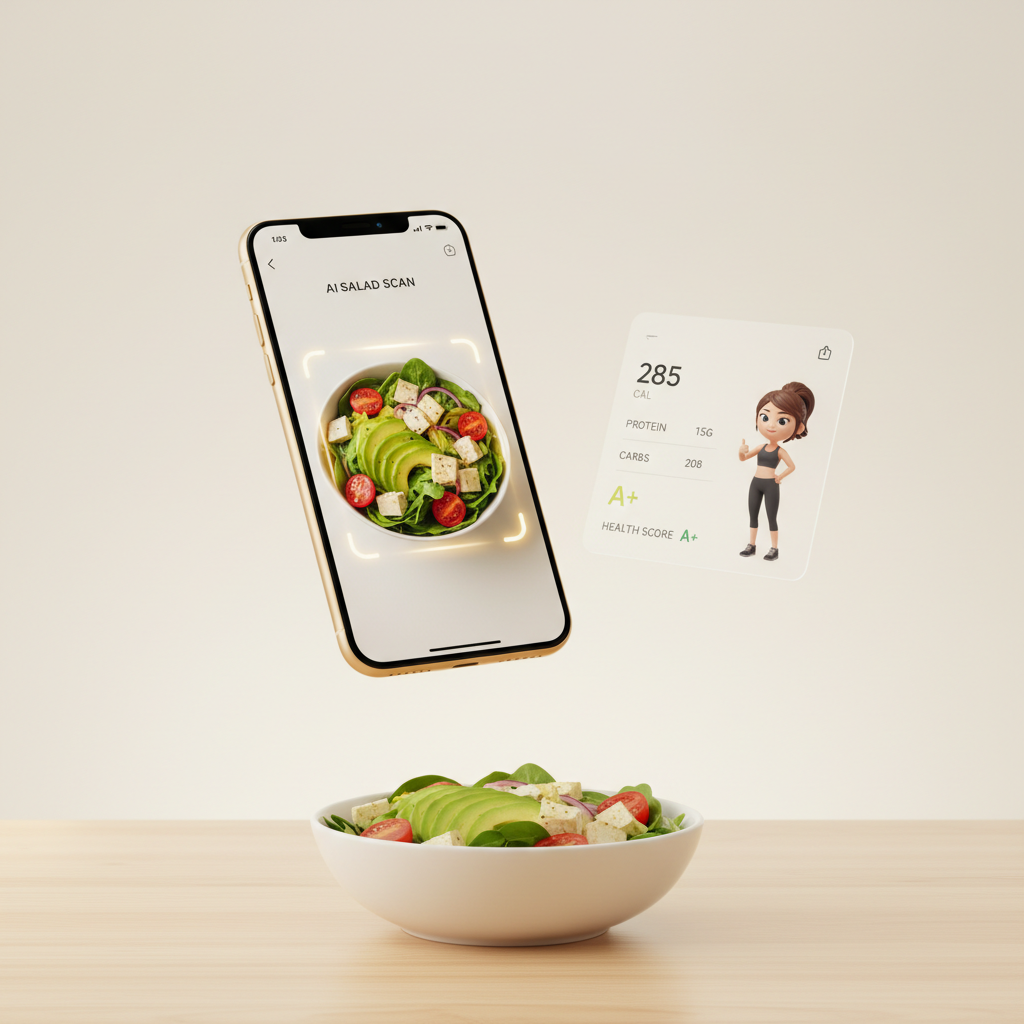
When meals change every day, weight tracker & progress trends is most useful as a quick first pass that turns a photo into something users can review before saving.
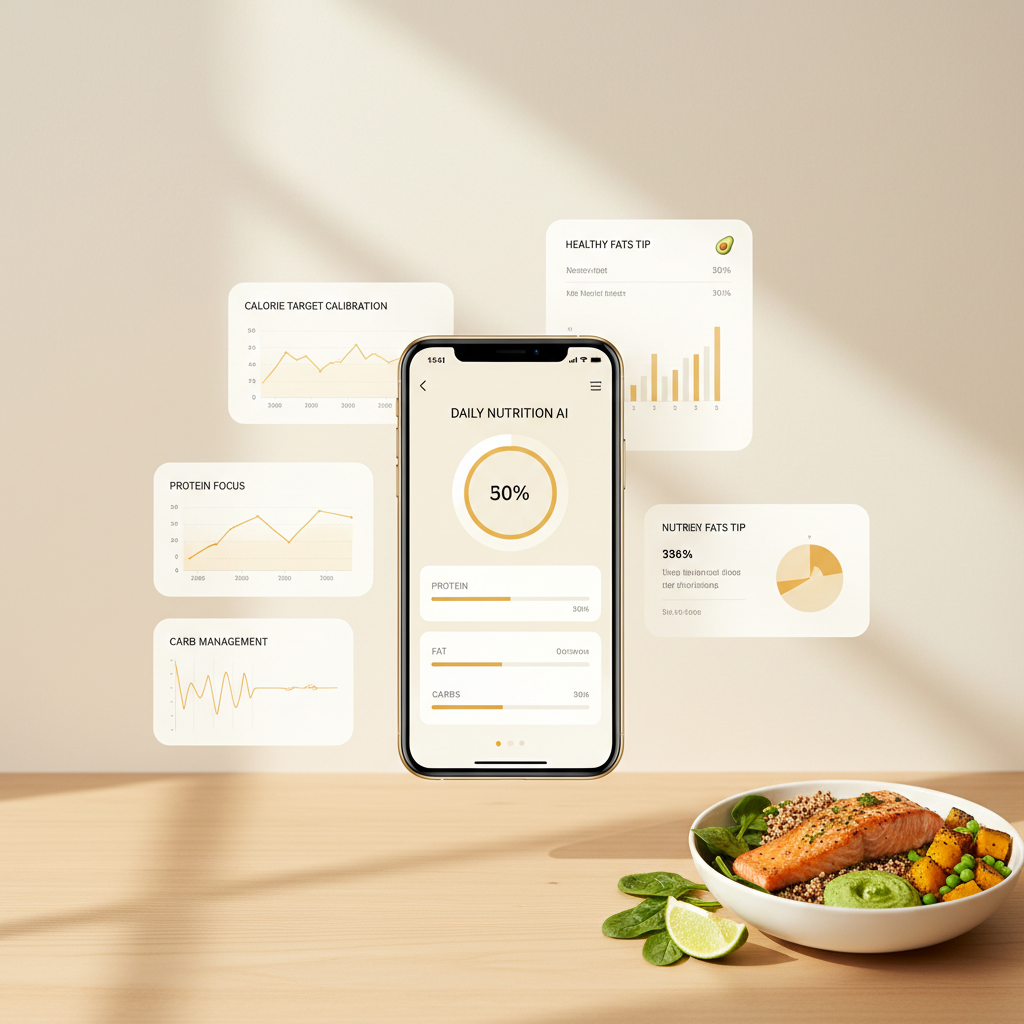
Instead of manually hunting for every ingredient first, the weight tracker & progress trends workflow surfaces calories, protein, carbs, and fat early enough to support more consistent choices.
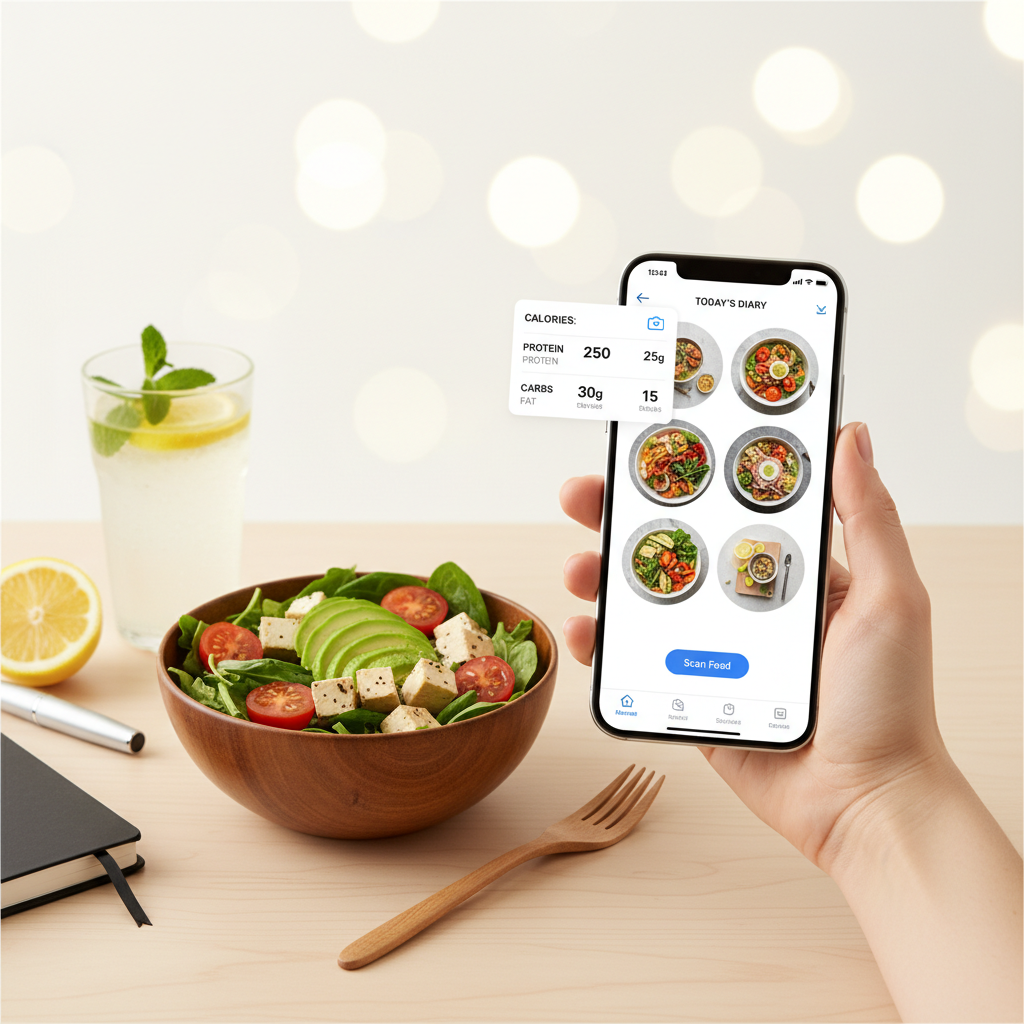
The practical value of Weight Tracker & Progress Trends is not perfection. It is making food logging light enough that people keep returning to it even when routines become messy.
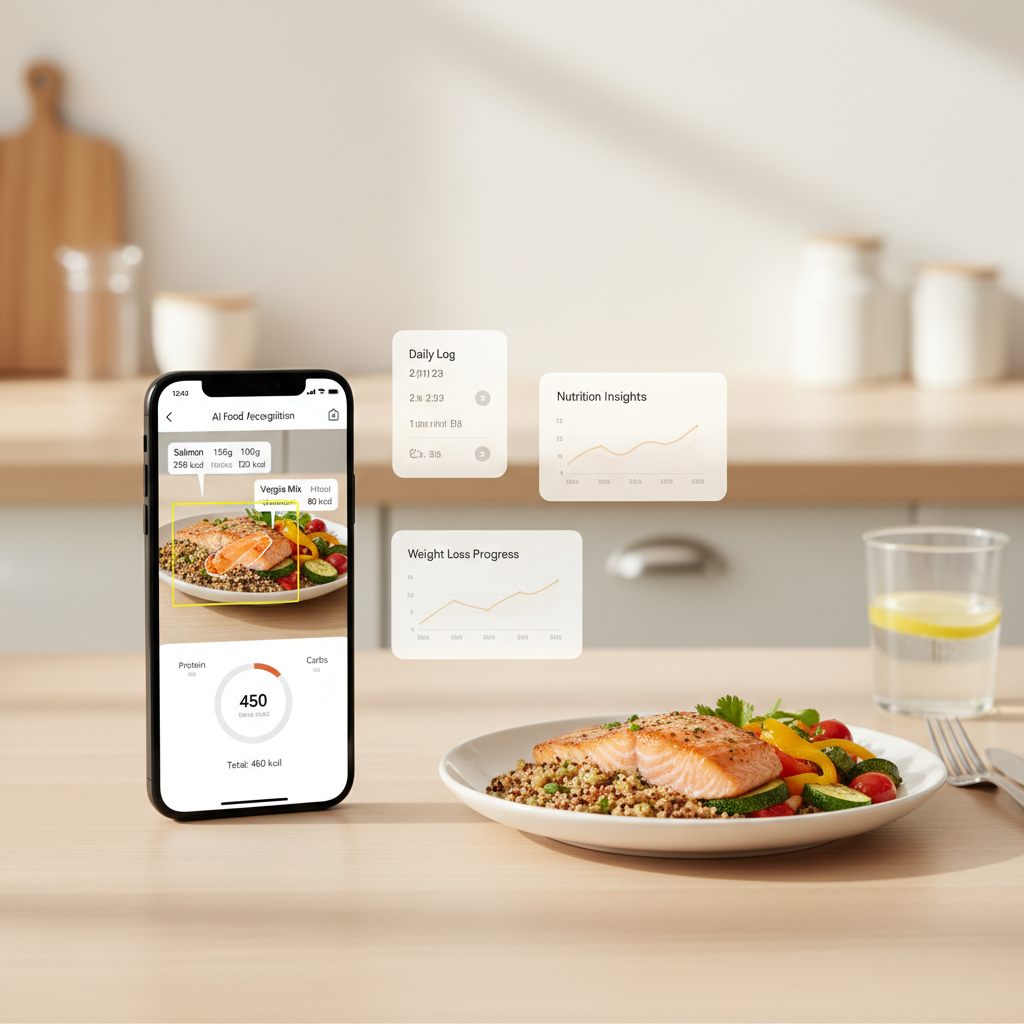
Over time, weight tracker & progress trends helps users review intake trends, spot rough calorie habits, and maintain awareness without pretending every estimate is exact.
Comparison
Use the feature where a photo-first workflow saves time, but keep manual review available for mixed dishes and unclear portions.
| Method | Speed | Effort | Nutrition visibility | Best use case |
|---|---|---|---|---|
| Manual food search | Slower | Higher | Medium | Detailed users who prefer building entries by hand |
| Generic calorie tracker | Medium | Medium | Medium | Basic daily logging when speed matters somewhat |
| CalBye photo workflow | Fast | Lower | Clear | People who want Weight Tracker & Progress Trends to start with a photo and still allow review |
Why it matters in daily use
This guide breaks down weight tracker & progress trends, the features worth comparing, and how to choose a calorie tracking tool that matches your goals, habits, and daily routine. Try Weight Tracker & Progress Trends in CalBye to turn food photos into faster calorie and macro review.
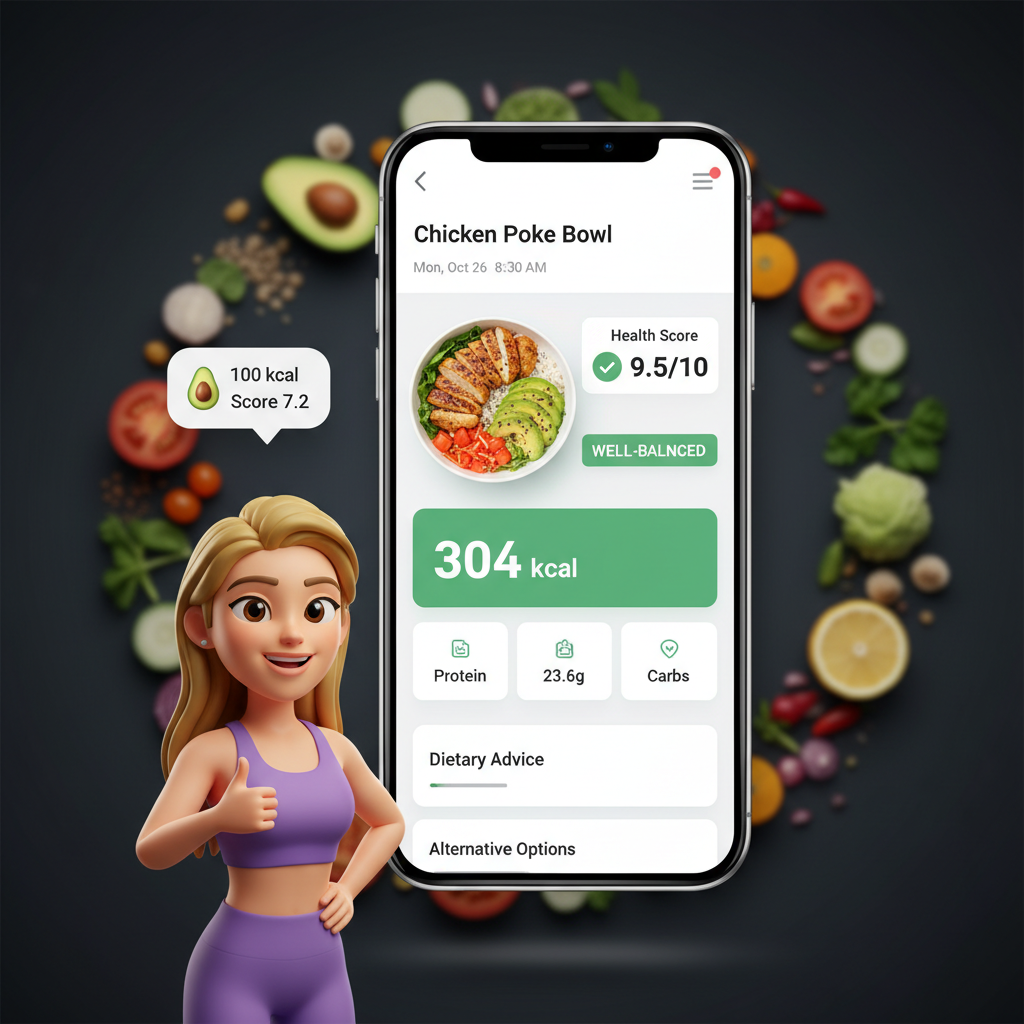
User perspective
These example reactions focus on speed, clarity, and repeatability rather than exaggerated outcome claims.

I do not want nutrition tracking to become its own task, so Weight Tracker & Progress Trends helps most when I can snap lunch, review the estimate, fix one thing if needed, and move on.

The weight tracker & progress trends flow is useful because it lowers the effort barrier. I still edit complicated meals, but I log more often because the starting point is much faster.

What I like is not magic accuracy claims. It is that Weight Tracker & Progress Trends gives me a clearer picture fast enough that I actually keep checking meals instead of skipping the log entirely.
Workflow shift

FAQ
Users take or upload a meal photo, then CalBye suggests likely foods, estimated calories, and macro context as a faster starting point for logging.
No. It works better as a speed layer. Users should still adjust portions or ingredients when a dish is mixed, unclear, or only partly visible.
The main value is reduced friction. A faster first draft makes it easier to log more meals, review intake patterns, and keep nutrition tracking closer to real behavior.
Yes, as a practical routine tool. It helps people capture meals faster and review patterns more often, but estimates should still be treated as general guidance rather than medical advice.
Try it in CalBye
Try Weight Tracker & Progress Trends in CalBye to turn food photos into faster calorie and macro review.